Banking Bridges: Tracing How Funding Choices Redirect Tactics in Portable Poker and Sports Mixes
Written by Klara Hoffmann · Jun 7, 2026

Banking Bridges: Tracing How Funding Choices Redirect Tactics in Portable Poker and Sports Mixes
Payment method selections have long shaped player approaches in mobile environments where poker tables blend with live sports wagers; researchers tracking transaction patterns note that choices between bank transfers, e-wallets, and digital currencies alter timing decisions, stake sizing, and session lengths across hybrid platforms. Data collected through 2025 into mid-2026 shows users who favor instant e-wallets often shift toward shorter, reactive bets during in-play sports events while maintaining tighter ranges at poker tables, whereas those relying on traditional bank rails tend to plan longer sessions with fewer impulsive adjustments.
Platform Integration and Funding Speed
Portable applications that combine poker rooms with sports markets require seamless funding switches because players move between table games and event lines within the same session; when deposits clear in seconds rather than hours, observers note corresponding spikes in live betting volume. Studies conducted by the European Gaming and Betting Association reveal that platforms supporting multiple rails see average session counts rise by 18 percent when e-wallet options dominate, since users can top up mid-hand or mid-match without leaving the interface. In contrast, slower bank processing correlates with pre-planned bankroll allocation that discourages mid-session pivots.
Regional Patterns Emerging in 2026
By June 2026 regulatory updates in several Canadian provinces had expanded instant payment verification for licensed operators, prompting analysts at iGaming Ontario to document a measurable tilt toward smaller, more frequent sports wagers paired with conservative poker continuation bets. Those patterns stand in contrast to markets where bank transfers still predominate, where larger initial deposits support extended multi-table poker commitments alongside futures-style sports positions. Figures from industry reports indicate that fee structures attached to certain rails further steer these choices, as percentage-based charges on smaller top-ups discourage frequent micro-deposits while flat fees favor larger, less frequent movements.
Tactical Adjustments Across Game Types
Players using cryptocurrency rails often maintain separate balances for poker and sports segments because transaction anonymity reduces perceived tracking risks, leading to more experimental line selections in both formats according to aggregated platform telemetry. One research paper published by the University of Nevada, Reno gaming studies department found that crypto users exhibited 23 percent higher variance in sports stake sizing compared with e-wallet cohorts, while simultaneously displaying tighter starting-hand selection at poker tables. Traditional card-linked methods, meanwhile, encourage unified balances that promote cross-subsidization between winning poker sessions and sports hedging strategies.
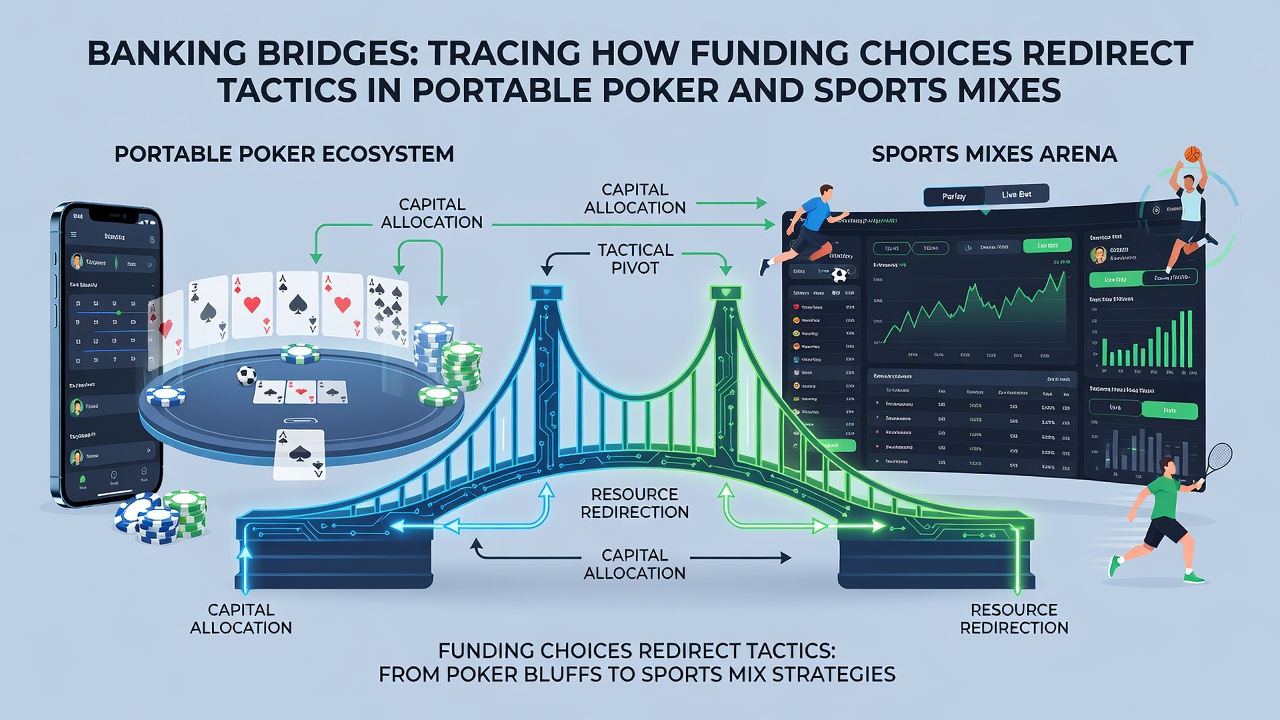
Withdrawal speed also feeds back into deposit behavior; when platforms offer same-day payouts through selected rails, data shows users recycle portions of winnings more readily into the opposite vertical, creating fluid movement between poker bankrolls and sports exposure. This recycling loop appears strongest among accounts that route funds through low-friction digital wallets rather than legacy banking channels.
Fee Structures and Risk Calibration
Transaction costs attached to each rail introduce another layer of calculation that redirects risk parameters; researchers examining 2025-2026 transaction logs observed that percentage fees on e-wallets prompt users to consolidate deposits into fewer, larger amounts, which in turn supports higher per-hand poker aggression paired with selective live sports entries. Flat-fee bank transfers, by comparison, encourage smaller incremental deposits that align with micro-staking approaches across both poker and sports markets. These mechanical differences accumulate into measurable divergences in overall play distribution without any change in underlying game rules.
Cross-Vertical Hedging Behaviors
Hybrid users frequently employ sports outcomes to offset poker variance or vice versa, and the funding rail determines how quickly such hedges can be executed; instant rails facilitate rapid response to unfolding sports developments while poker hands are still active, whereas slower methods push hedging decisions into separate sessions. Platform telemetry reviewed by academic teams in Australia indicates that accounts with multi-rail access execute 31 percent more cross-vertical adjustments than single-rail accounts during the same observation window.
Conclusion
Funding infrastructure continues to function as an invisible rule set that steers decision timing, stake calibration, and vertical switching in portable environments where poker and sports markets coexist; ongoing data collection through 2026 confirms that rail selection produces consistent, measurable shifts in aggregate behavior across user cohorts. Operators monitoring these patterns adjust product features accordingly, while researchers continue to map the precise linkages between payment mechanics and strategic output.