Deposit Method Variations Driving Tactical Shifts in Mobile Poker and Slot Play
Written by Cameron Hughes · May 26, 2026
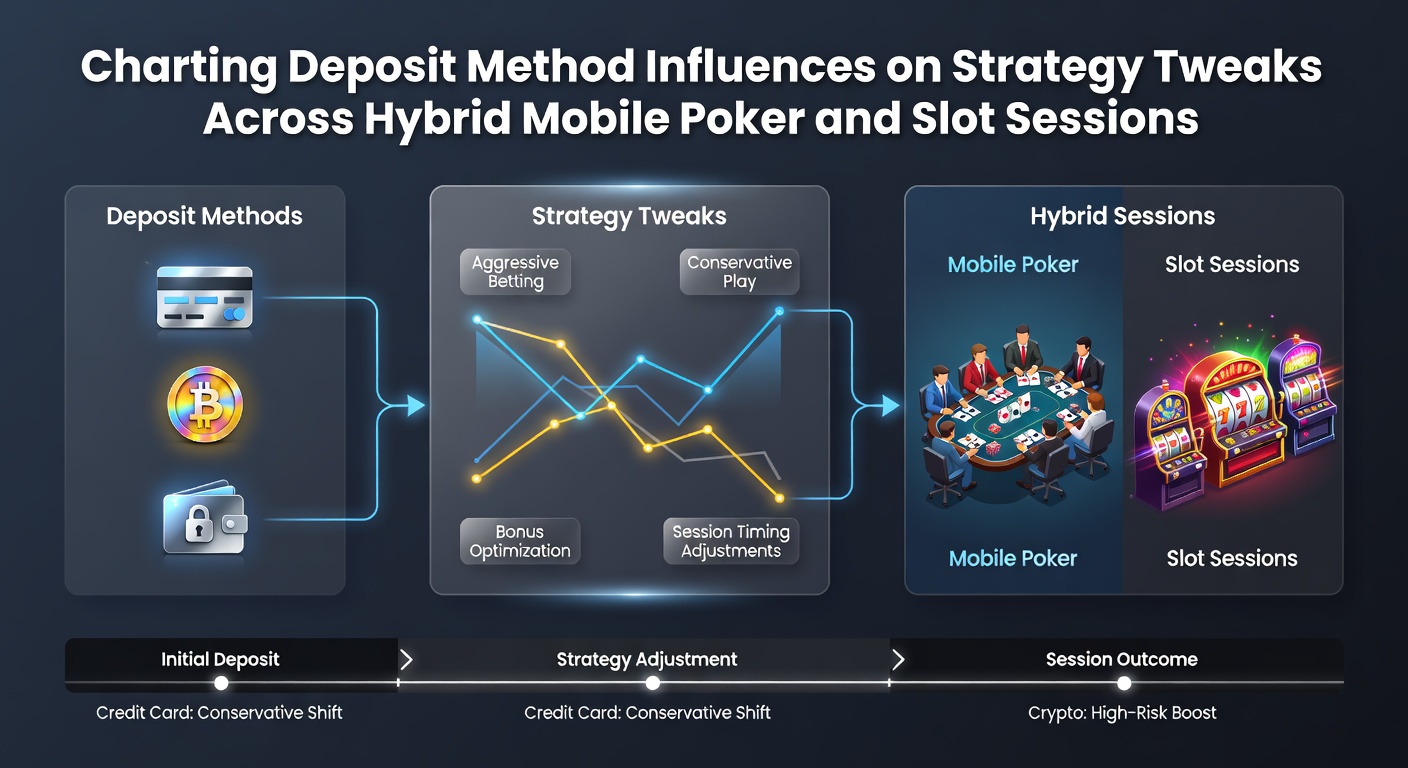
Deposit Method Variations Driving Tactical Shifts in Mobile Poker and Slot Play
Players navigating hybrid mobile apps that blend poker tables with slot reels encounter distinct patterns when they select different deposit methods, and those choices often prompt measurable adjustments in session tactics according to industry tracking data. Deposit options such as bank transfers, e-wallets, credit cards, and cryptocurrencies each carry unique processing times along with fee structures that influence how participants allocate funds across game types during a single login period.
Platform Architecture and Session Flow
Hybrid mobile environments integrate real-time poker with automated slot mechanics on the same dashboard, which allows users to move between skill-based decisions and chance-driven spins without switching applications, and this seamless design encourages participants to test deposit-funded balances across both formats within extended play windows. Researchers at several European gaming institutes have documented how deposit velocity affects the pace at which players initiate new hands or spin sequences, particularly when transaction confirmations arrive faster through certain channels.
Deposit Channels and Processing Characteristics
Bank transfers typically require one to three business days for clearance in many jurisdictions, whereas e-wallets and crypto options settle in minutes, and these timing differences lead players to reserve slower methods for larger scheduled deposits while reserving instant options for smaller, opportunistic top-ups. Data compiled through 2025 and into May 2026 by regional monitoring bodies shows increased adoption of cryptocurrency deposits among hybrid app users in North America and parts of Asia, correlating with shorter average session lengths yet higher per-hand wager sizes during poker segments.
Observers note that credit card deposits often include built-in reward points that some platforms convert into bonus credits usable on slots, prompting users to direct those funds toward high-volatility reel games rather than conservative poker strategies that emphasize bankroll preservation. Industry reports from the European Gaming and Betting Association highlight how fee transparency across methods shapes initial stake selections, with zero-fee e-wallet routes associated with more frequent micro-bets in early slot phases before players transition to poker tables.
Observed Strategy Adjustments Across Game Types
When funds arrive via instant crypto deposits, participants frequently increase poker aggression metrics such as continuation bet frequency, because the immediate availability reduces perceived risk of delayed replenishment, whereas slower bank transfer users tend to adopt tighter starting hand ranges to stretch limited confirmed balances. Slot play reveals parallel shifts, with data indicating that e-wallet deposits correlate with extended bonus round pursuits on progressive titles, since quick reloads allow players to chase multipliers without interrupting momentum.
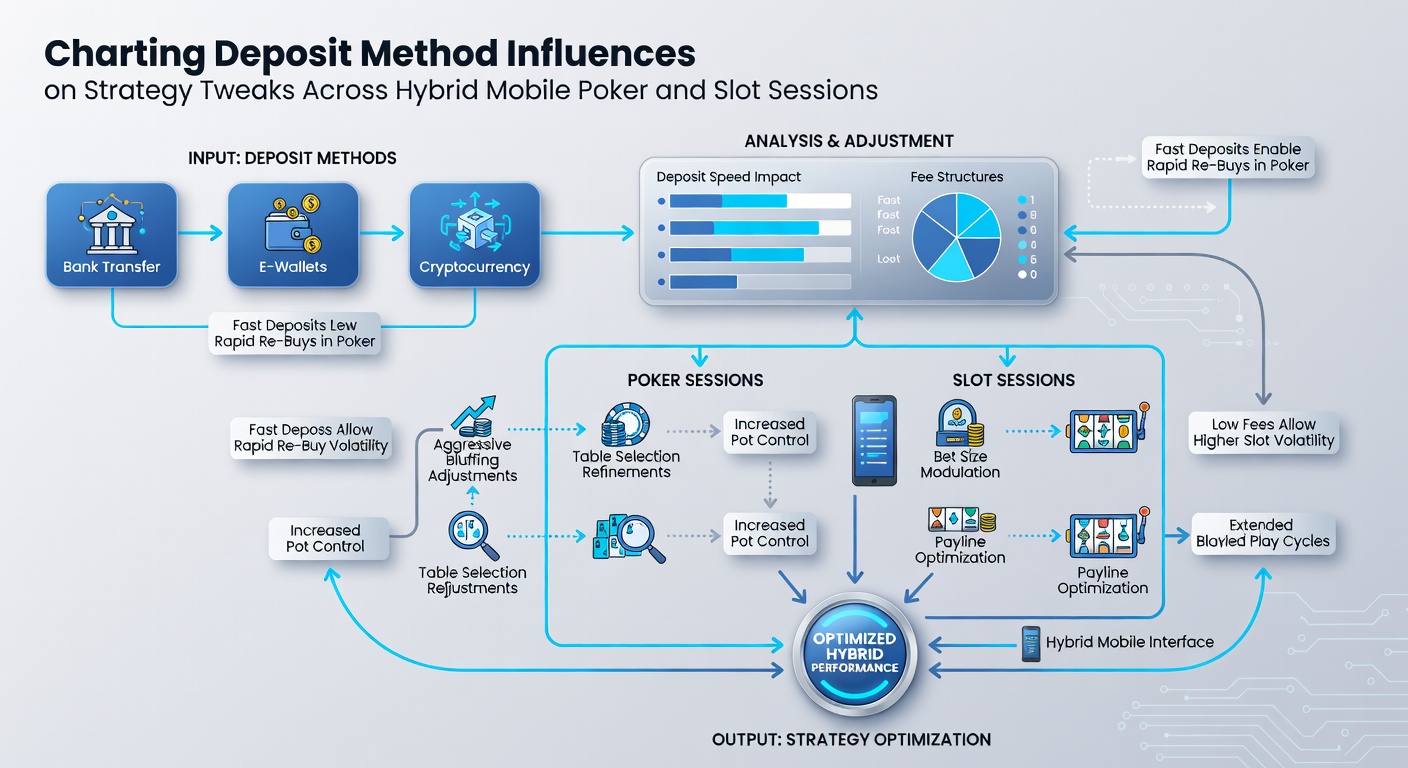
One longitudinal review conducted across multiple operators in 2025 found that hybrid session participants using credit cards exhibited 18 percent more conservative slot bet sizing after the first hour compared with crypto users, and the same cohort adjusted poker fold rates upward when transitioning back from reels. These patterns emerge consistently across age groups yet vary by region, with Australian operators reporting stronger links between deposit method and multi-game switching rates than those observed in Canadian markets.
Regulatory Context and Data Trends Through Mid-2026
Regulatory frameworks in several jurisdictions now require clearer disclosure of deposit processing times, and this transparency has coincided with measurable changes in player behavior according to aggregated operator metrics released in May 2026. Studies from academic centers tracking mobile gambling patterns emphasize that deposit method selection functions as an implicit risk filter, guiding whether individuals prioritize variance-heavy slot sequences or steady poker volume accumulation during the same app session.
Evidence from cross-platform analyses suggests that players who alternate deposit types within a week demonstrate greater flexibility in strategy recalibration, moving from tight-aggressive poker lines to loose slot spinning when instant methods replace scheduled transfers. Such adaptability appears in session logs where balance refresh speed directly precedes shifts in average bet size and game selection order.
Implications for Session Planning
Those who monitor their own transaction histories often discover that aligning deposit speed with intended game mix reduces unplanned pauses, allowing smoother transitions between poker decision trees and slot feature triggers. Platform designers have responded by surfacing estimated clearance times at the deposit screen, which in turn influences pre-session budgeting decisions documented in user surveys conducted through early 2026.
Conclusion
Deposit method selection continues to serve as a practical lever that shapes tactical decisions across hybrid mobile poker and slot environments, with processing characteristics driving measurable differences in bet sizing, game sequencing, and risk tolerance. Ongoing data collection through regulatory and industry channels will likely refine understanding of these relationships as platforms evolve and user preferences shift in response to new payment technologies.