Infrastructure Upgrades Transform Online Access for Sports Betting and Card Game Enthusiasts
Written by Cameron Hughes · Aug 23, 2026

Infrastructure Upgrades Transform Online Access for Sports Betting and Card Game Enthusiasts
Network Developments Reshape User Connectivity
Data from regulatory agencies shows that expansions in fiber optic networks and 5G deployments have altered how enthusiasts reach combined sports betting and card game platforms since early 2025, with August 2026 marking notable completion milestones in several regions. Observers note that reduced latency and higher bandwidth allow real-time interactions during live athletic events paired with card-based sessions, and this shift stems from infrastructure projects funded through public-private partnerships.
Researchers at academic institutions have documented increased participation from previously underserved areas where connection speeds previously limited mobile access. Those who study digital gaming patterns report that users now initiate sessions on hybrid platforms more frequently during peak evening hours because stable connections support simultaneous streaming of sports data and card table interfaces without interruptions.
Regional Rollouts and Access Shifts
In the United States the Federal Communications Commission has tracked broadband improvements that correlate with higher engagement rates on platforms offering both athletic wagering and digital card games, according to FCC connectivity reports. Similar patterns appear in Canada where the Canadian Radio-television and Telecommunications Commission data indicates rural users have gained reliable pathways to these services following tower upgrades completed mid-2026.
Europe presents parallel developments with multiple member states advancing next-generation networks that enable seamless transitions between live sports feeds and card game environments. Analysts observe that players in these areas complete more complex transactions and multi-game sequences as a direct result of the enhanced infrastructure.
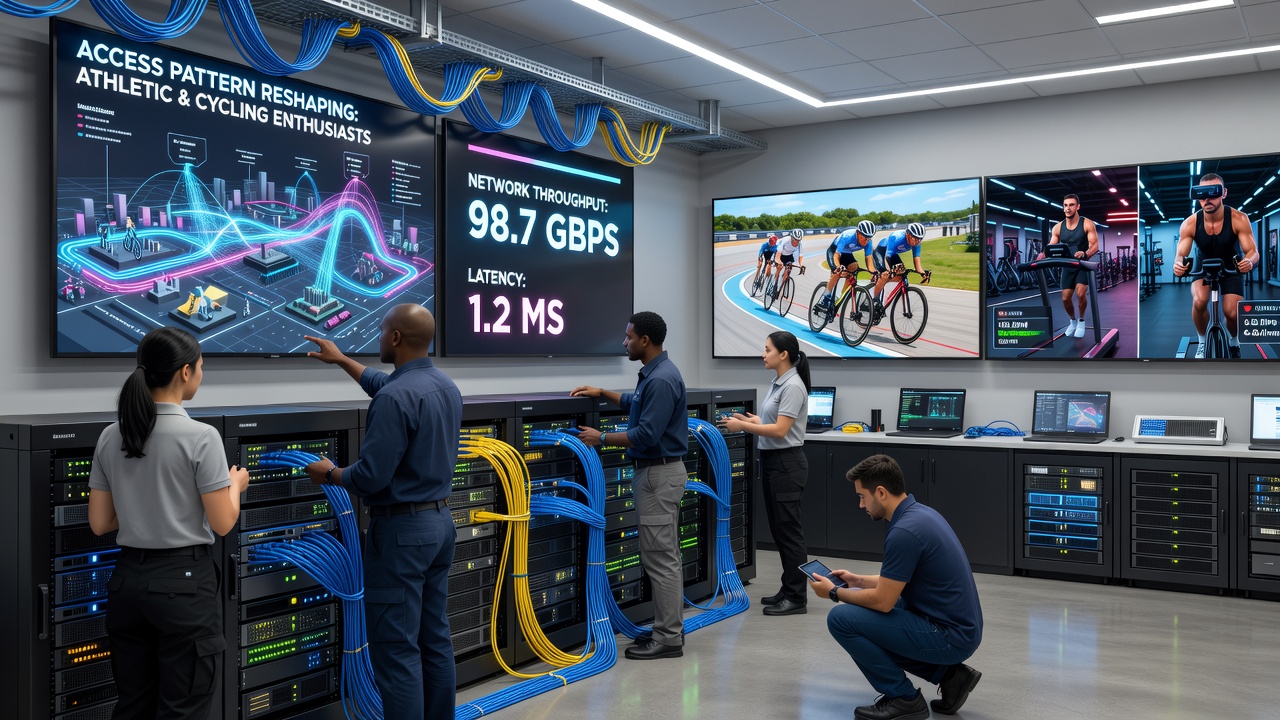
Mobile Patterns and Platform Adaptations
Industry reports reveal that smartphone usage for combined athletic and card pursuits has risen in tandem with 5G coverage expansions, allowing enthusiasts to move between betting on matches and participating in card tables within single applications. This integration becomes feasible when networks handle the data demands of live odds updates alongside encrypted card game streams.
Platform operators have responded by optimizing interfaces for varied connection qualities, and those who monitor user behavior note that session durations extend in locations where upgrades have stabilized throughput. Data indicates fewer drop-offs during high-traffic events such as major tournaments that combine sports outcomes with card competitions.
Technical Factors Driving Change
Low-latency requirements for real-time card decisions paired with athletic event tracking have pushed providers to adopt edge computing alongside core network improvements. Studies show that these technical layers reduce ping times, which in turn supports the fluid access patterns now common among dedicated users of hybrid digital environments.
August 2026 updates to spectrum allocation in several jurisdictions have further accelerated these capabilities, enabling denser device connections without performance degradation. Observers point out that metropolitan areas lead in adoption while suburban and rural zones follow as infrastructure extends outward.
Conclusion
Network infrastructure upgrades continue to influence access patterns for those engaged in combined athletic and card-based digital activities through improved speed, reliability, and geographic reach. Figures from government agencies and research bodies demonstrate measurable shifts in user behavior tied directly to these enhancements, with ongoing projects expected to sustain the trend into subsequent years.