Licensing Reforms Redirect Crypto Wallets in Mobile Reel and Card Platforms
Written by Sam Powell · Aug 4, 2026
Licensing Reforms Redirect Crypto Wallets in Mobile Reel and Card Platforms
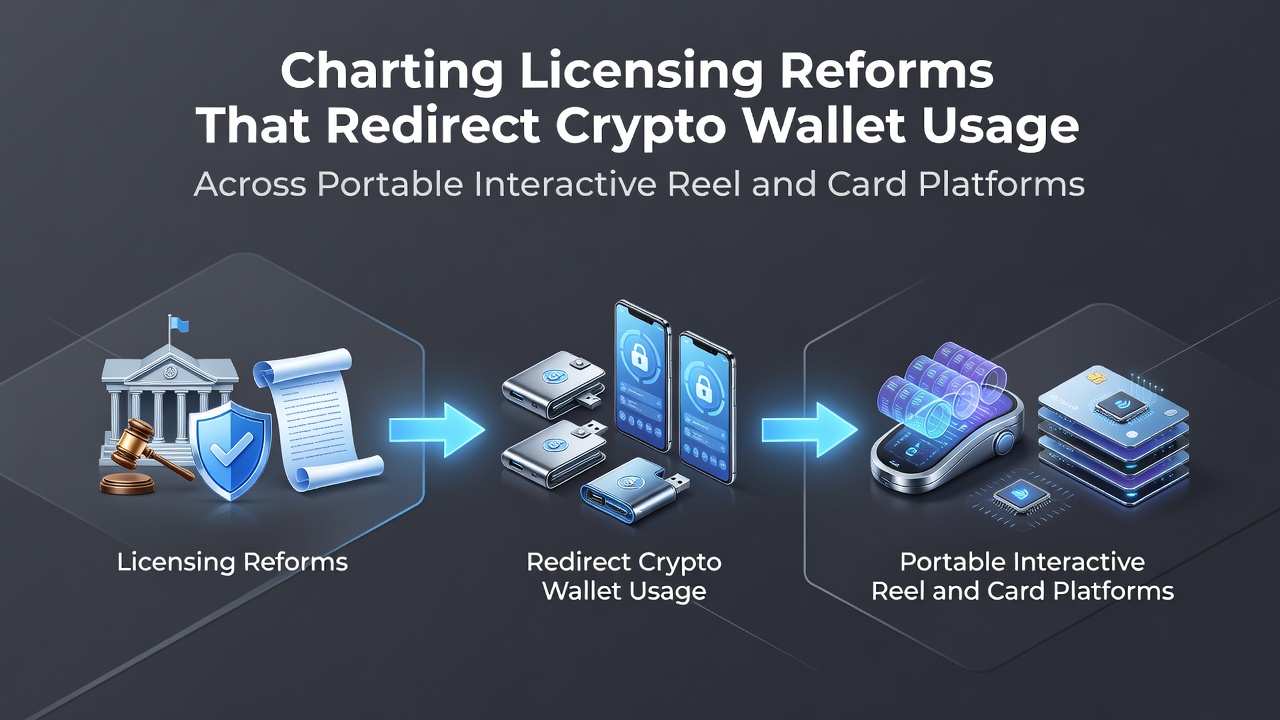
Regulatory bodies across multiple jurisdictions have adjusted licensing frameworks since early 2025, and these modifications now steer crypto wallet activity toward approved mobile applications that host reel and card formats. Data from payment processors shows a measurable uptick in transactions routed through licensed operators in regions where new compliance requirements took effect during the first half of 2026. Observers note that operators must demonstrate wallet integration meets specific security and traceability standards before receiving or renewing permits, which channels usage away from unregulated alternatives.
Regional Policy Adjustments and Their Effects
Authorities in Australia tightened wallet verification rules in March 2026, requiring operators to route all crypto deposits through platforms that log transaction hashes in real time; figures released by AUSTRAC indicate a 14 percent rise in compliant mobile reel sessions during the subsequent quarter. Similar measures appeared in several Canadian provinces where iGaming licenses now mandate multi-signature wallet approvals, and operators report that card game tables on portable devices attract a larger share of verified crypto flows. European regulators followed with updated directives that tie license validity to wallet provider audits, prompting shifts in how players fund interactive sessions on smartphones and tablets.
Wallet Integration Standards on Mobile Platforms
Portable applications that combine reel mechanics with card play must embed wallet APIs that support on-chain verification while maintaining session continuity across devices. Studies conducted by research groups at the University of Nevada Reno found that platforms meeting these technical thresholds experienced higher retention rates among users who previously relied on external exchanges. In August 2026 several operators rolled out updated versions that embed these protocols directly into the game client, reducing the steps between deposit confirmation and gameplay start. This technical alignment satisfies licensing criteria in multiple markets simultaneously and accounts for the observed redirection of volume toward authorized channels.
Payment Flow Changes in Licensed Environments
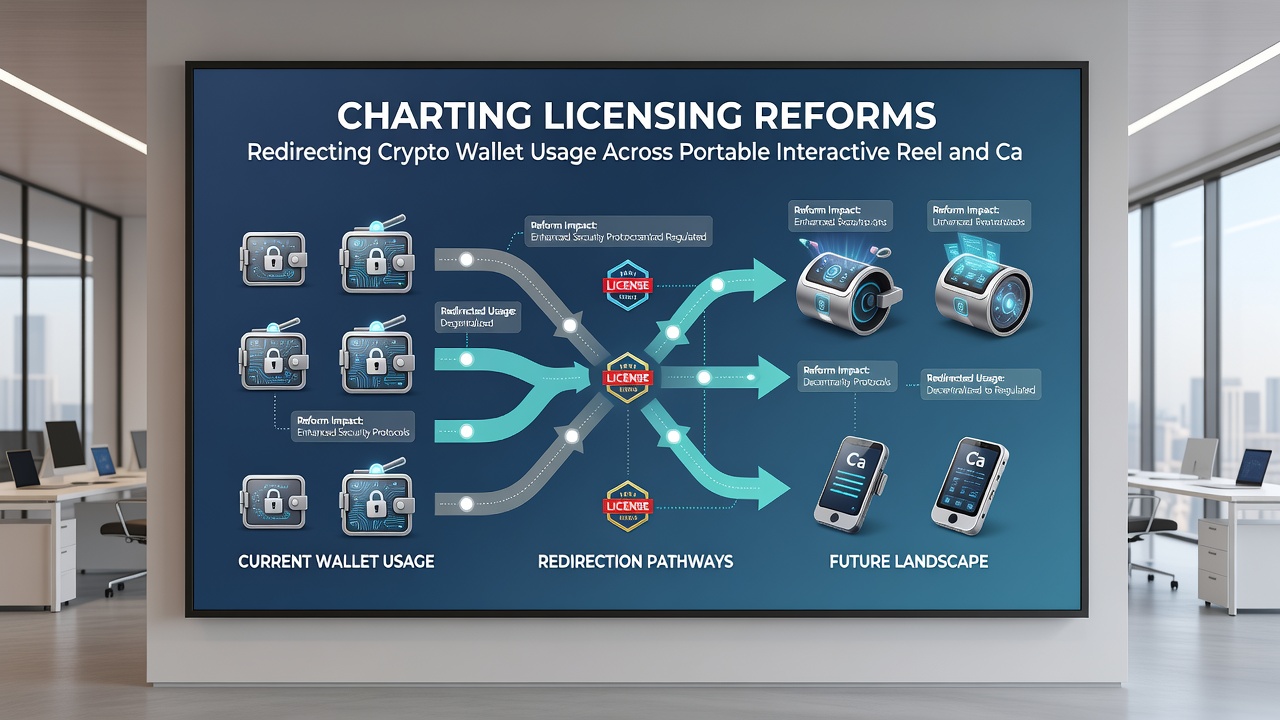
Transaction data aggregated by industry analytics firms reveals that licensed mobile platforms now capture the majority of crypto activity that once occurred through peer-to-peer channels. Operators who secured updated licenses in the second quarter of 2026 implemented automated compliance checks that flag non-standard wallet addresses before funds reach game servers. Those who studied these patterns note that reel formats on tablets and card tables on smartphones show parallel growth curves once wallet compatibility receives official approval. The result is a consolidated flow where previously scattered usage concentrates within environments that satisfy both financial and gaming oversight bodies.
Operator Responses and Platform Adaptations
Companies holding multi-jurisdictional licenses accelerated development cycles to incorporate wallet features required by the newest regulatory packages. Internal reports from several large providers detail how backend systems now cross-reference wallet activity against live game logs to maintain audit trails demanded by licensing conditions. Players who migrate to these updated applications encounter consistent interfaces across reel and card titles, which reduces friction while meeting traceability expectations set by authorities in different regions. The coordinated rollout across platforms explains the steady reallocation of crypto volume observed through the summer months of 2026.
Conclusion
Licensing reforms implemented through 2025 and into August 2026 continue to shape how crypto wallets interact with mobile reel and card environments. Regulatory updates in Australia, Canada, and Europe have established clearer pathways for compliant operators, and transaction metrics confirm that usage concentrates within platforms that satisfy the revised standards. These developments produce measurable shifts in where and how portable gaming sessions funded by digital wallets take place.