Mapping Reward Routes Through Payment Networks in Mixed Sports and Table Gaming Platforms
Written by Sam Albrecht · May 24, 2026
Mapping Reward Routes Through Payment Networks in Mixed Sports and Table Gaming Platforms
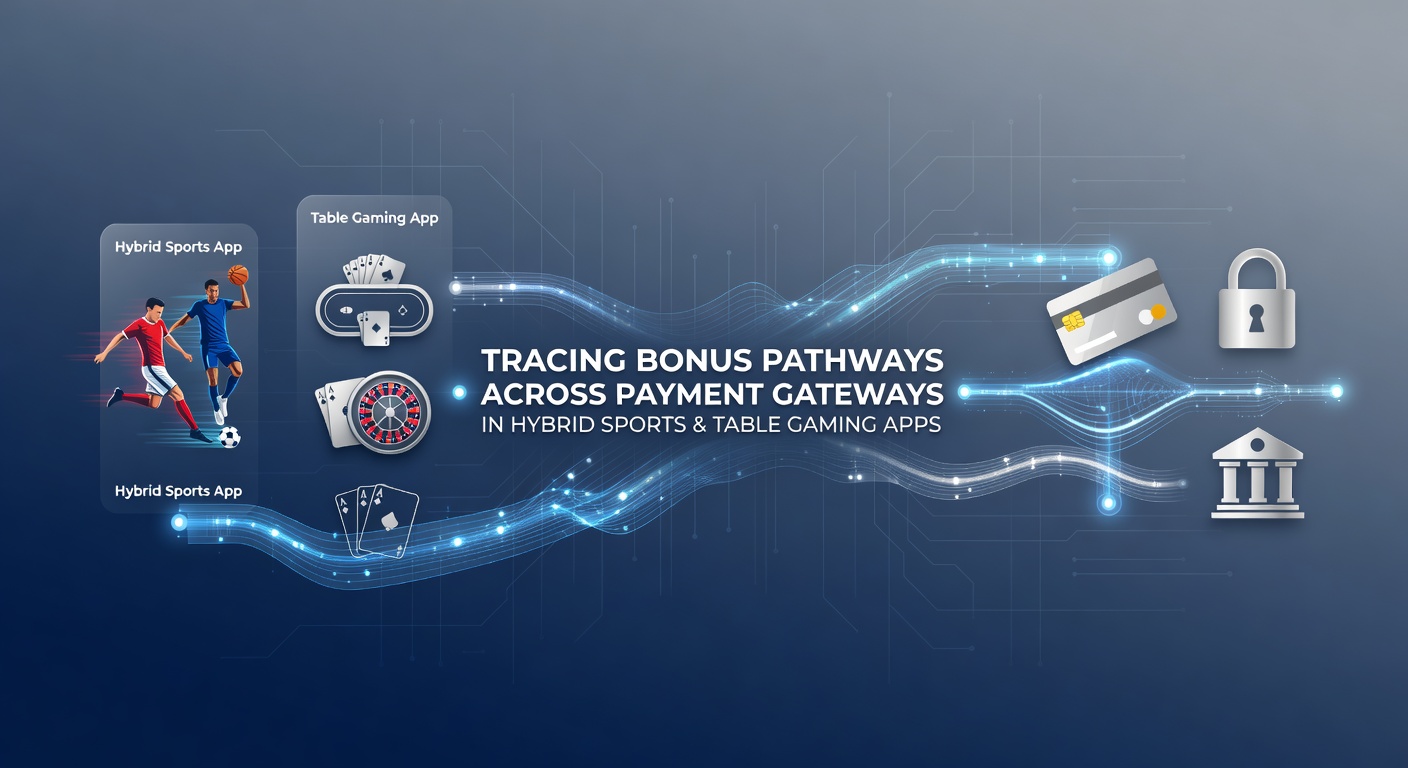
Hybrid applications that combine sports betting with table games such as poker and blackjack have expanded their payment infrastructure in recent years, and observers note that bonus pathways now cross several gateways in sequence before reaching user accounts. Data from industry reports indicate that these routes involve multiple verification steps where promotional credits move from initial deposit methods through processing layers and finally into playable balances. Research indicates that operators maintain separate ledgers for each gateway to ensure accurate allocation of welcome offers and ongoing rewards while users switch between sports wagers and live dealer sessions.
Core Components of Hybrid Application Payment Systems
Developers design these platforms so that a single user profile connects to e-wallets, bank transfers, and cryptocurrency options, and the system records every bonus credit as it passes from one method to another. According to figures released by the American Gaming Association, transaction volumes in integrated apps rose steadily through 2025, with projections extending into May 2026 showing continued growth in cross-gateway activity. Those who study platform architecture find that each gateway carries distinct processing rules, which means bonus tracking software must reconcile timestamps, currency conversions, and eligibility flags in real time.
Payment processors apply different fee structures and confirmation delays, yet the hybrid environment requires seamless movement of promotional funds across these variations. Studies from the University of Nevada, Las Vegas gaming research center reveal that successful reconciliation depends on standardized data fields that tag each bonus portion with its originating gateway adn intended game category. Operators therefore implement middleware layers that log every transfer and flag discrepancies before funds reach the main balance.
Mechanics of Bonus Allocation Across Gateways
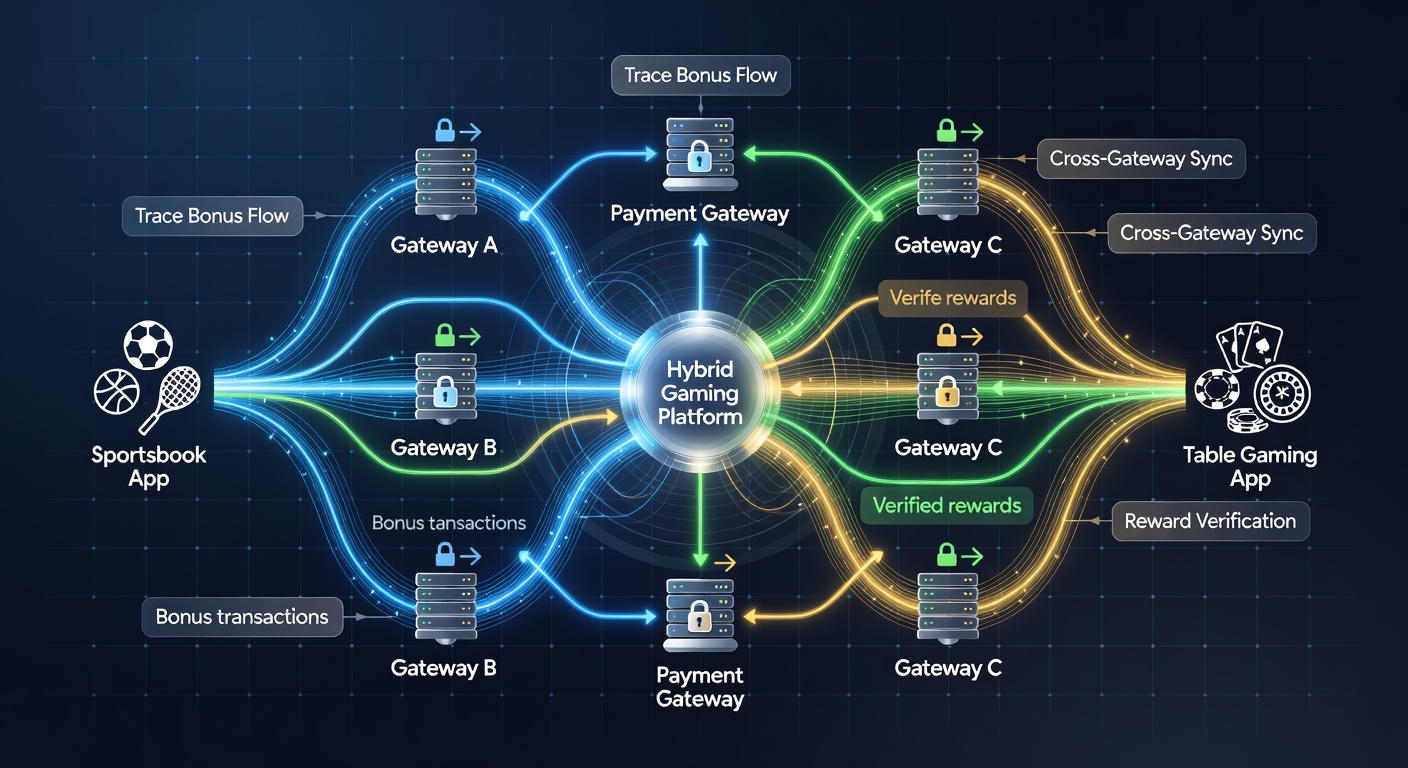
When a user deposits via an e-wallet to claim a matched bonus, the system first verifies the deposit against gateway-specific criteria before releasing the promotional amount into a temporary holding account. The credit then travels to the sports betting ledger or the table game ledger depending on the terms attached to that particular offer. Observers note that many applications now route table game bonuses through a separate pathway that applies stricter wagering requirements compared with sports bonuses, and this separation prevents accidental misuse of credits.
Cryptocurrency gateways introduce additional complexity because blockchain confirmations occur outside the operator's direct control, and bonus tracking scripts must wait for on-chain settlement before updating internal records. Research from the Canadian Gaming Association shows that platforms handling both fiat and crypto deposits maintain parallel tracking databases that synchronize every few minutes to avoid mismatches. Those who analyze transaction logs often discover that delays at one gateway can cascade and affect the timing of bonus release in another section of the same user account.
Regulatory and Technical Oversight Practices
Regulatory bodies in multiple jurisdictions require operators to demonstrate full traceability of all promotional funds, and audits focus on whether bonus pathways respect geographic restrictions and age verification rules. Malta's Gaming Authority publishes technical standards that specify how logs must capture every movement of credits across gateways, while similar guidelines from Australia's Northern Territory racing commission emphasize audit trails that remain accessible for at least five years. Developers respond by embedding immutable identifiers in each bonus record so that examiners can reconstruct the exact sequence of transfers even when users move rapidly between sports and table game sections.
Industry organizations such as the European Gaming and Betting Association have compiled case studies showing that robust API connections between gateways reduce reconciliation errors by more than half compared with legacy batch-processing methods. These studies also highlight that platforms using real-time synchronization experience fewer player disputes over missing credits, because the pathway history remains visible inside the account dashboard at every stage.
Future Developments Expected by Mid-2026
Analysts project that by May 2026 most hybrid platforms will adopt unified bonus engines capable of routing credits through any combination of gateways without manual intervention. Early tests conducted by several large operators already demonstrate that machine-learning models can predict gateway congestion and reroute bonus allocations automatically. Data shared at recent trade conferences indicate that these predictive systems shorten the average time between deposit and playable balance from several minutes to under thirty seconds while preserving full audit trails.
Conclusion
Tracing bonus pathways across payment gateways in hybrid sports and table gaming apps requires coordinated logging, standardized data fields, and continuous reconciliation between multiple processing layers. Research indicates that operators who maintain clear separation between sports and table game ledgers while still allowing seamless transfers achieve higher compliance rates and fewer user inquiries. As gateway technologies continue to evolve, the emphasis remains on transparent tracking mechanisms that satisfy both regulatory demands and operational efficiency needs.