Mobile App Layouts Driving Shifts in Player Time Between Live Events and Casino Tables
Written by Sam Powell · Aug 14, 2026
Mobile App Layouts Driving Shifts in Player Time Between Live Events and Casino Tables
Design choices in mobile gambling applications continue to influence how users divide their sessions between event-based wagering and traditional table games, with data from industry trackers indicating measurable changes in session durations across both categories throughout 2026. Developers have adjusted navigation flows, button placements, and visual hierarchies that guide attention toward one format or the other, and these adjustments appear in multiple major platforms operating in regulated markets.
Layout Elements That Guide Session Flow
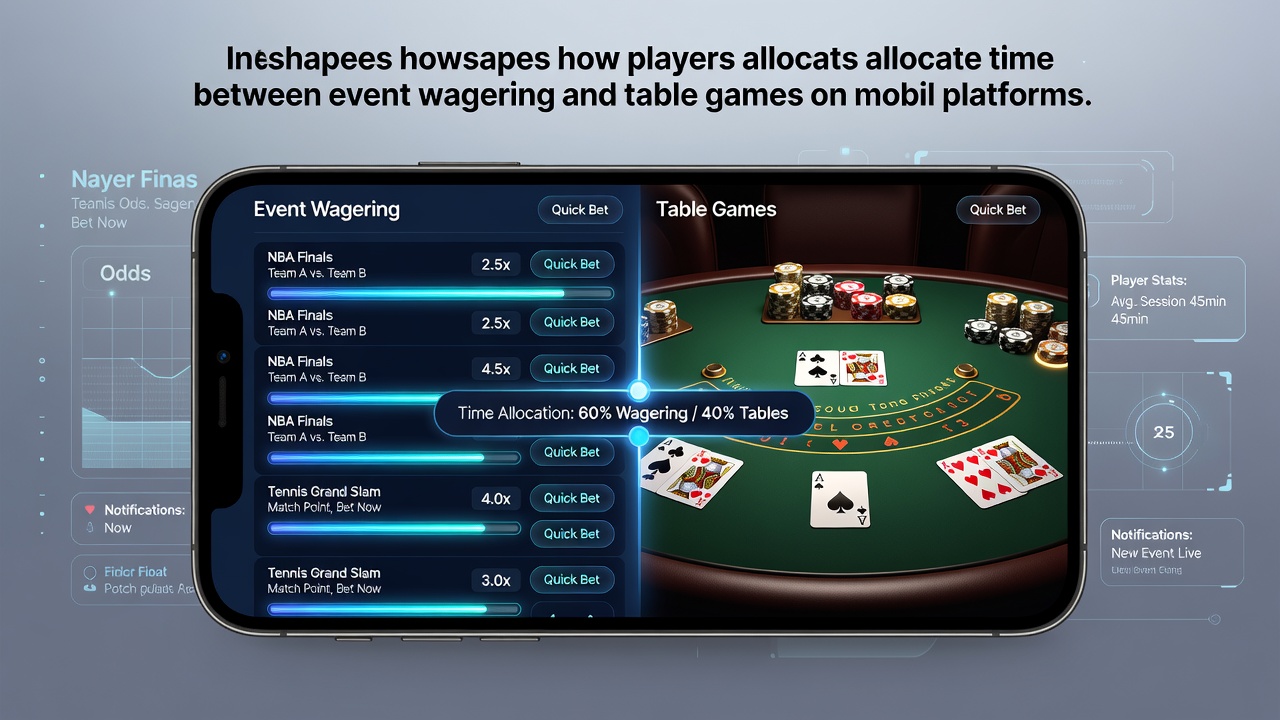
Quick-access tabs for live sports markets sit prominently at the top of many home screens, while table game lobbies require an additional tap or scroll, and this arrangement correlates with shorter average times spent on table games in user logs analyzed by platform operators. Swipe gestures that move directly into event odds displays reduce friction for live betting, whereas table game entry points often involve loading sequences that display multiple variant options before play begins. Observers note that these differences in entry speed contribute to patterns where players complete several event wagers in the time it takes to select and enter a single blackjack or roulette table.
Color contrasts and notification badges further steer behavior, since event markets frequently highlight odds movements wth real-time color changes that draw the eye, whereas table game interfaces maintain steadier visual states that emphasize immersion once a session starts. Studies from research groups tracking app analytics show that users who encounter prominent live-event notifications during initial app opens tend to allocate more minutes to those markets before exploring table options later in the same session.
Regional Patterns Emerging in 2026
Platforms serving North American users have introduced hybrid dashboards that display both event timers and table game thumbnails side by side, and early figures from operators in Illinois and New Jersey reveal modest increases in table game session lengths when these balanced views remain visible for extended periods. In contrast, applications popular in parts of Asia and Australia emphasize vertical scrolling through event markets first, followed by a separate section for table games that opens only after users dismiss the live betting feed. Regulatory reports compiled by bodies such as the Australian Gambling Research Centre document corresponding differences in time allocation across these design approaches during the first half of 2026.

Notification Timing and User Transitions
Push notifications timed to coincide with event starts pull attention back to sports markets even when players have already opened table game sections, and logs from several apps indicate that these interruptions shorten ongoing table sessions by measurable margins. Conversely, some developers have begun testing quiet periods for event alerts once a table game loads, allowing longer uninterrupted play at virtual tables. Data collected by analytics firms working with operators shows that such quiet zones extend average table game dwell time without reducing overall event wagering volume across the full day.
Progressive disclosure techniques also play a role, since event betting screens often collapse multiple markets into expandable lists that keep users within the same view, while table games transition users into full-screen environments that isolate them from other options until they choose to exit. Those patterns appear consistently in heat-map studies of user interactions released in mid-2026.
Payment and Loyalty Integration Effects
Interface elements that link deposits directly to event markets encourage quicker funding cycles tied to live odds, whereas table game sections sometimes route users through loyalty tier displays before confirming bets. These routing differences create distinct session rhythms, with event-focused paths supporting rapid deposit-wager sequences and table paths incorporating more review steps that extend decision time per round. Figures compiled by the American Gaming Association reflect these variations across platforms that adopted the differing flows during 2025 and 2026.
Conclusion
Interface decisions continue to shape how mobile users distribute their attention across event wagering and table games, with navigation speed, notification cadence, and visual emphasis producing measurable differences in session composition. As operators refine these elements through ongoing testing, the resulting data sets offer clearer pictures of how design choices translate into time allocation across formats.