Navigation Designs and Layered Incentives Shape User Journeys in Multi-Genre Mobile Betting Apps
Written by Klara Otto · Jun 30, 2026
Navigation Designs and Layered Incentives Shape User Journeys in Multi-Genre Mobile Betting Apps
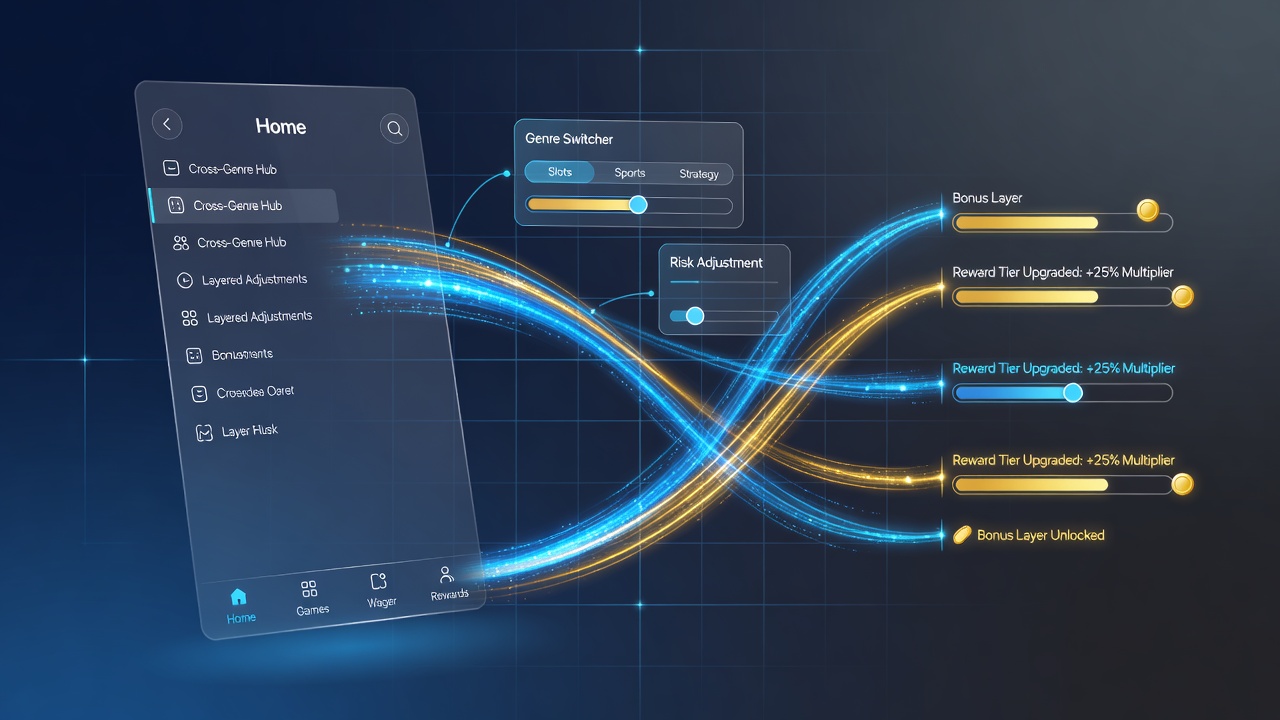
App developers in the mobile wagering sector continue to refine how users move through interfaces while adjusting incentive structures that span sports betting, slots, poker, adn table games; these adjustments often respond directly to observed navigation data collected from millions of sessions. Patterns emerge when users switch between genres, prompting platforms to recalibrate bonus tiers, loyalty points, and promotional triggers based on specific paths taken through menus, tabs, and swipe gestures.
Core Navigation Elements Driving Cross-Genre Engagement
Bottom navigation bars remain a standard feature in many hybrid apps, yet researchers tracking user behavior note that placement of genre-specific icons influences how frequently players transition from sports event listings to slot lobbies or live dealer tables. Data from platform analytics in early 2026 shows that apps with swipeable genre carousels at the top level recorded higher rates of multi-genre sessions compared to those relying solely on hamburger menus, because the horizontal motion reduces friction when users explore poker rooms after placing a wager on a football match.
Search functions integrated within navigation flows also play a role, since predictive text suggestions that pull from reward-eligible activities encourage players to discover layered promotions tied to combined sports and casino play. Observers at industry conferences in June 2026 highlighted how gesture-based shortcuts, such as long-press actions on league logos that open quick-bet overlays with linked bonus offers, alter the sequence of reward redemptions across genres.
Layered Reward Adjustments Responding to Path Data
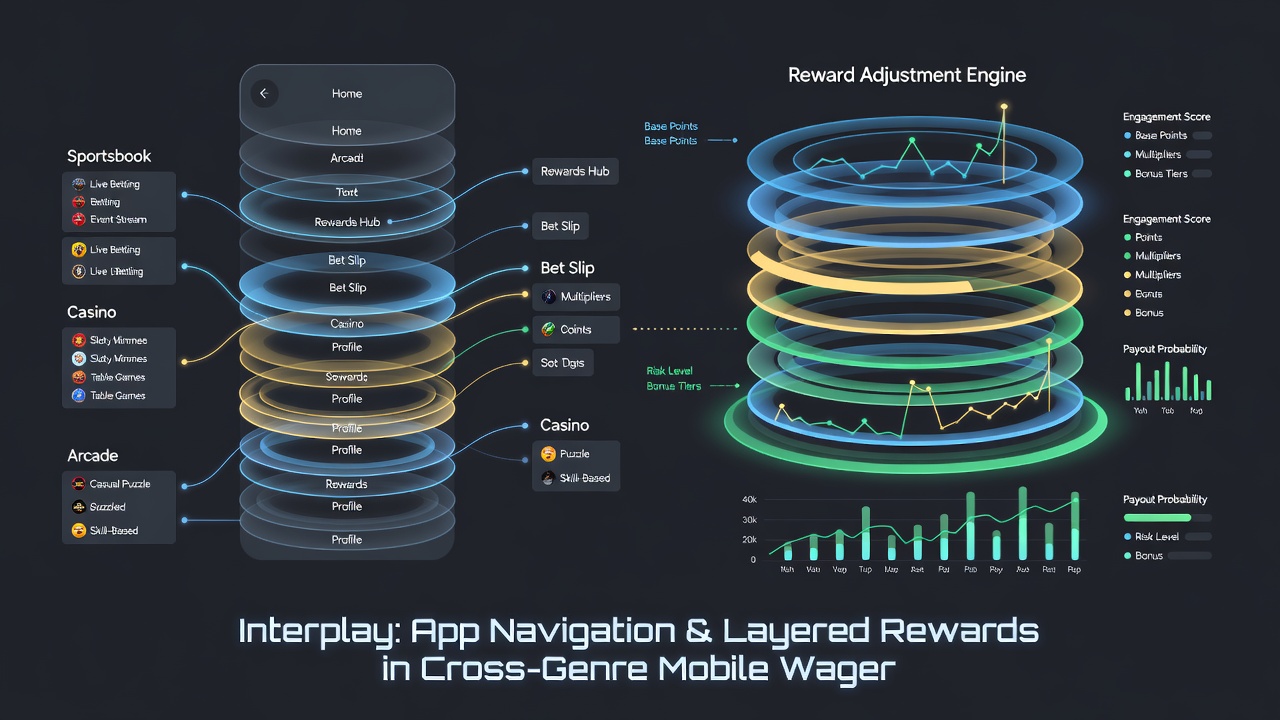
Platforms adjust reward layers dynamically when navigation logs reveal repeated movement between certain sections, for instance increasing cashback percentages on table game losses after a user has navigated from a sports betting dashboard three times within a week. These modifications rely on algorithms that map session duration in one genre against subsequent activity in another, allowing operators to offer tiered welcome bonuses that scale when players complete a defined navigation sequence, such as viewing live odds, then entering a slot tournament, then claiming a poker freeroll.
Studies conducted by academic groups examining mobile gambling interfaces indicate that reward visibility placed directly in navigation pathways boosts completion rates of cross-genre challenges, whereas rewards buried behind multiple taps show lower engagement. One analysis of Australian market data linked specific menu arrangements to measurable shifts in how players accumulated loyalty points across sports and slots, with simplified tab structures correlating to steadier progression through VIP levels.
Regional Regulatory Influences on Interface and Incentive Design
Authorities in different jurisdictions impose requirements that indirectly shape both navigation and reward mechanics, with the Gambling Regulatory Authority of Singapore requiring clear separation of sports and casino sections in mobile apps to prevent unintended genre mixing. Meanwhile, reports from the Nevada Gaming Control Board document how operators must log navigation events that trigger reward adjustments, ensuring transparency when layered bonuses activate across multiple game types. These rules have led developers to embed compliance indicators within navigation flows, such as icons that appear when reward eligibility crosses genre boundaries.
Canadian provincial regulators have examined similar patterns, noting that apps serving Ontario users often incorporate progressive disclosure techniques in their menus to display reward details only after certain navigation milestones are reached, thereby aligning with responsible gaming standards while maintaining engagement across sports and table game offerings.
Technical Integration of Navigation Tracking and Reward Engines
Backend systems connect navigation telemetry directly to reward management modules through real-time APIs, so that when a user completes a path from a live sports event screen to a slot reel interface, the system evaluates eligibility for combined-genre multipliers without requiring additional taps. Developers implement A/B testing on navigation variants to measure effects on reward claim rates, with results from June 2026 deployments showing that collapsible side panels for poker and casino categories increased the frequency of layered bonus activations compared to static grids.
Case examples from large operators reveal that heatmaps of swipe and tap sequences guide the repositioning of reward banners, placing them along high-traffic navigation routes that link sports betting to live dealer rooms. This integration allows automatic adjustment of point accrual rates based on detected patterns, such as evening sessions that alternate between genres versus daytime single-genre usage.
Conclusion
Continued evolution in mobile wagering tools depends on the precise calibration between navigation structures and layered reward systems, with data from multiple regions demonstrating measurable impacts on how users distribute activity across genres. Regulatory frameworks in places like Singapore and Nevada continue to influence these technical choices, while analytics tools provide the feedback loops necessary for ongoing refinements. As platforms collect more granular path information through mid-2026, the interplay between movement within apps and incentive adjustments will likely determine engagement patterns in hybrid environments.