Payment Timing Patterns and Game Selection Shifts in Cross-Platform Mobile Gaming
Written by Klara Otto · Aug 27, 2026
Payment Timing Patterns and Game Selection Shifts in Cross-Platform Mobile Gaming
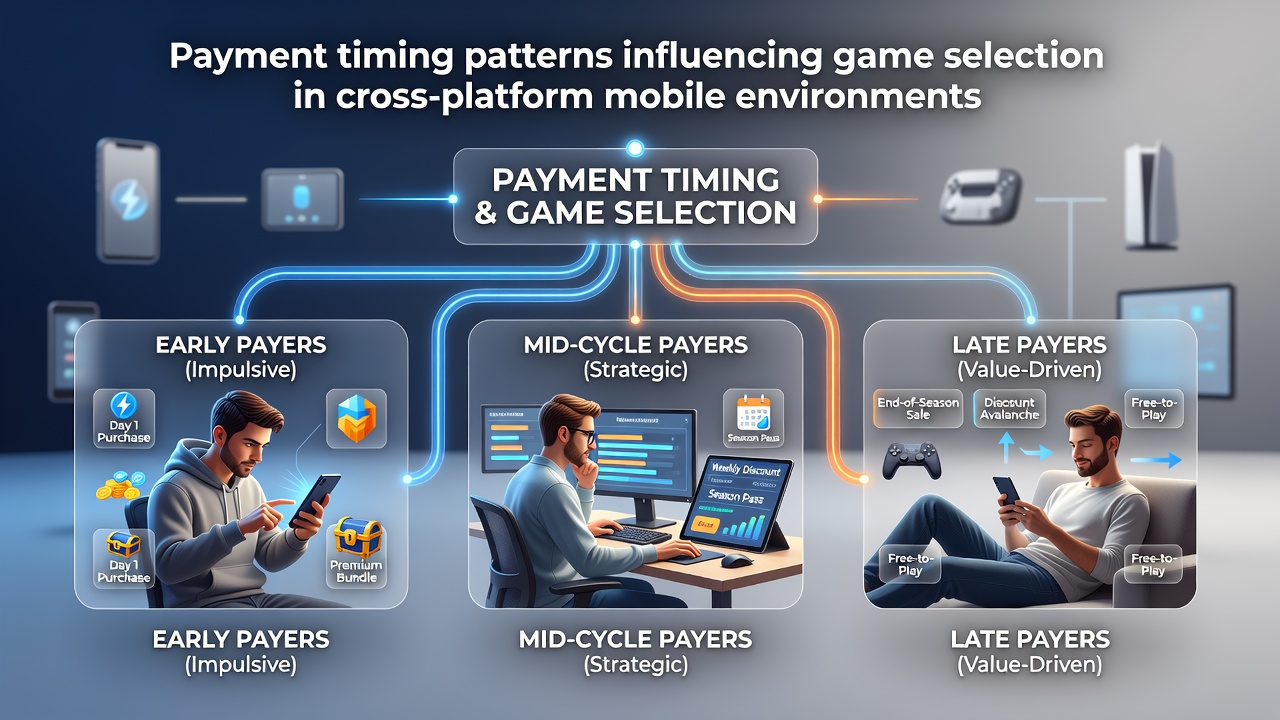
Data from multiple industry reports indicates that payment timing patterns play a measurable role in how users navigate game options within cross-platform mobile environments, where instant deposits often correlate with selections favoring fast-paced titles while slower processing steers choices toward longer-session games. Observers note that transaction speed varies significantly depending on the method chosen, whether credit cards, e-wallets, or bank transfers, and this variance influences initial game picks during a session. Research conducted by academic institutions shows consistent patterns emerging as early as 2024, with acceleration in mobile adoption amplifying these effects through 2026.
Core Mechanics of Payment Timing in Mobile Ecosystems
Payment timing refers to the interval between initiating a deposit and gaining access to funds for play, a factor that shifts across operating systems and device types. In August 2026, figures from regulatory bodies across North America and Europe reveal that average processing times range from under 30 seconds for certain digital wallets to several hours for traditional bank links. Those who've studied user behavior find that quicker clearances encourage immediate engagement with slots or quick-match formats, whereas delays prompt users to browse strategy-oriented options like table games that accommodate waiting periods. Cross-platform compatibility adds layers, as iOS and Android handle verification steps differently, leading to divergent selection trends on each.
Observed Influences on Game Categories
Studies from research institutions document how timing preferences drive tactical shifts: users facing rapid approvals gravitate toward high-frequency games that reward short bursts of activity, while extended processing windows align with selections of narrative-driven or multiplayer experiences. One analysis covering mixed sports and table gaming platforms found that deposit method variations account for up to 22 percent of variance in initial game choices among frequent players. Data indicates regional differences matter too, with faster options more prevalent in markets supported by advanced banking infrastructure. What's significant is the way these patterns hold steady even as platforms update their interfaces to streamline flows.
Cross-Platform Data Patterns Through Mid-2026
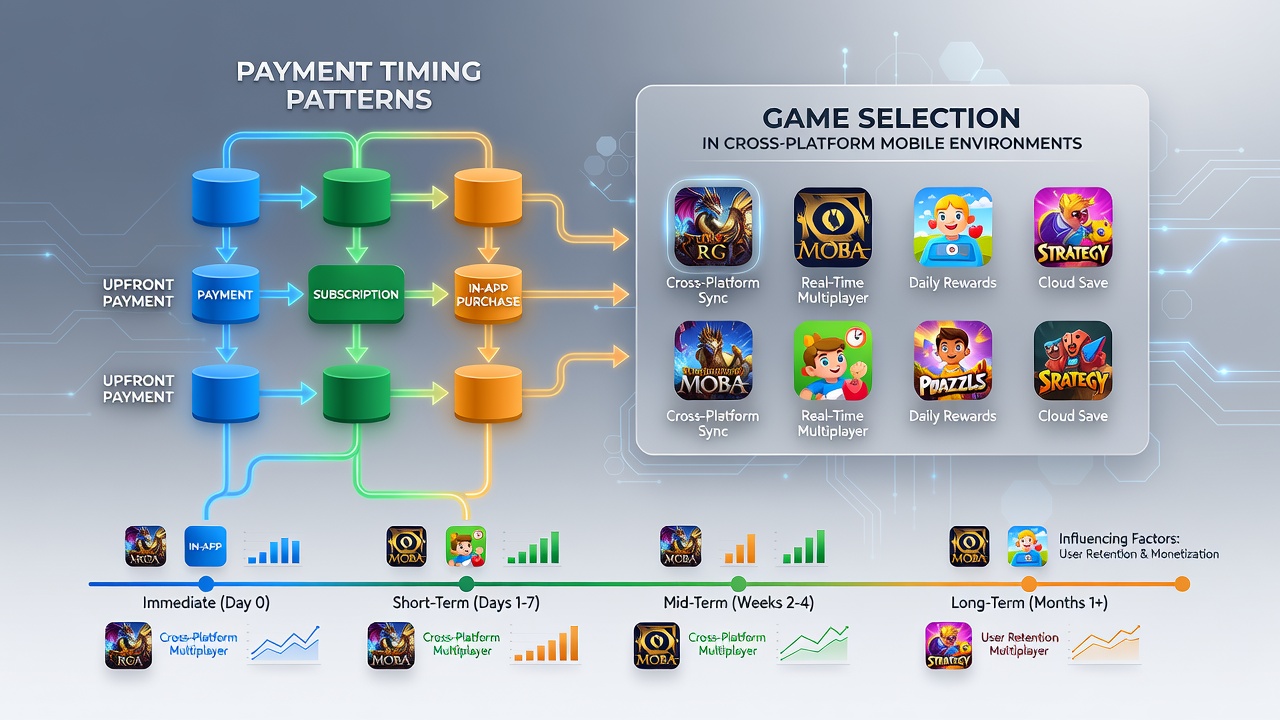
Industry organizations tracking mobile gaming metrics report that seamless integrations between payment systems and game libraries reduce friction and expand selection diversity. In contrast, environments with variable timing see users clustering around specific genres that match their funding cadence. According to projections released by trade groups, steady expansion through 2034 will likely intensify these dynamics as more hybrid apps blend elements from sports, poker, and slots. Evidence from university-led surveys suggests that players adapt quickly, often pre-selecting games based on known processing speeds of their preferred funding route rather than exploring broadly.
But here's the thing: timing isn't static, and updates to security protocols or regional policies can alter averages overnight. Australian regulatory sources highlight how localized banking rules affect cross-border users differently than domestic ones, creating pockets where slower methods dominate and influence game longevity preferences. Those monitoring the space observe that loyalty features tied to deposit speed further reinforce these patterns, rewarding consistent choices with tailored recommendations.
Regional Variations and Emerging Trends
North American and EU agencies publish quarterly updates showing that payment timing influences extend beyond individual sessions into broader retention metrics. For instance, platforms emphasizing instant options report higher uptake of event-based wagering formats, whereas regions with stricter verification see steadier interest in enduring table game sessions. Industry reports from Canadian and Australian bodies point to similar correlations, underscoring how infrastructure maturity shapes outcomes. Observers note that by August 2026 these trends have stabilized around core payment categories, yet new entrants in digital currencies continue to test the boundaries with variable confirmation times.
Conclusion
Payment timing patterns continue to intersect with game selection logic in measurable ways across mobile platforms, as confirmed by ongoing data collection from regulatory and academic sources. These interactions reflect broader infrastructure and policy conditions rather than isolated user decisions, and they evolve alongside technological and market developments. Continued monitoring will clarify how future adjustments in processing standards reshape engagement distributions in this space.