Regulatory Shifts and Mobile Design Features Directing Choices Between Sports Wagers and Table Game Play
Written by Sam Albrecht · Jul 21, 2026
Regulatory Shifts and Mobile Design Features Directing Choices Between Sports Wagers and Table Game Play
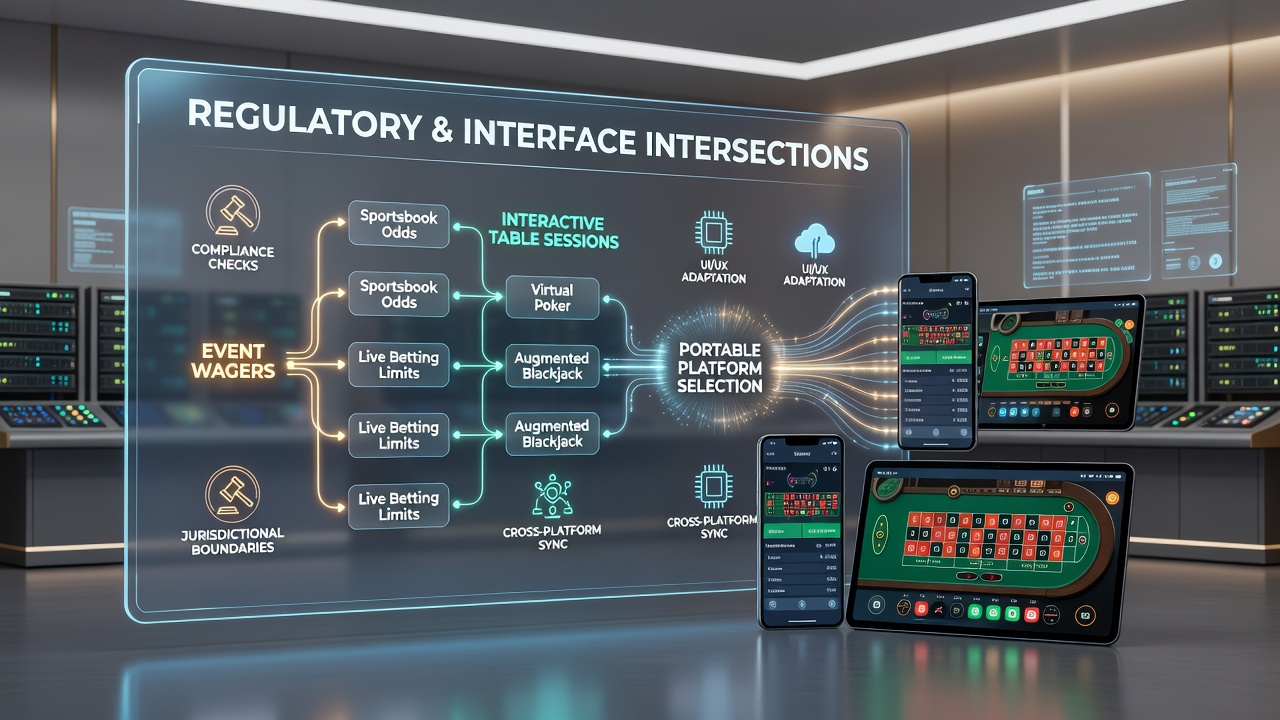
Regulatory frameworks across multiple jurisdictions continue to shape which mobile applications can offer event wagers versus interactive table sessions, while interface innovations determine how users navigate between those options once access is granted. Data from regional gaming authorities shows that licensing requirements often separate sports betting permissions from casino table game approvals, creating distinct pathways that operators must follow before launching combined platforms. In July 2026 several U.S. states updated their mobile wagering statutes to require separate compliance audits for live dealer table features compared with standard sports event markets, a distinction that influences both development timelines and user onboarding sequences.
Interface design elements such as tabbed navigation, predictive loading, and gesture-based switching further guide selections once the regulatory barriers are cleared. Developers integrate swipe gestures that move users from real-time sports odds displays directly into virtual or live dealer table environments, yet these transitions remain subject to regional rules governing session time limits and deposit verification steps. Research from the European Gaming and Betting Association indicates that platforms employing unified wallet systems see higher cross-category engagement when regulatory conditions permit simultaneous access, whereas fragmented payment flows tend to keep users within one vertical.
Licensing Structures and Their Impact on Category Access
State and national licensing regimes establish clear boundaries around what constitutes an approved event wager versus an interactive table session on portable devices. Jurisdictions that issue unified licenses allow single applications to host both categories, while others require distinct operator permits that force users to download separate apps. Observers note that this bifurcation affects marketing strategies, because promotions for sports events cannot automatically extend to table game sessions without additional approvals. Figures released by the Nevada Gaming Control Board in early 2026 highlighted a 14 percent increase in combined-license applications compared with the prior year, reflecting operator interest in streamlined user journeys.
Geo-fencing technology, mandated by most regulatory bodies, determines whether a user can even view either category based on physical location. When a player crosses a state line, the interface must instantly restrict or enable the relevant sections, a requirement that developers meet through location services integrated directly into the navigation layer. Those who've studied these systems know that seamless geo-compliance reduces friction, whereas abrupt category lockouts can push users toward unauthorized alternatives.
Interface Innovations Guiding User Pathways
Modern mobile applications employ layered menu structures that present sports event markets on one screen layer while placing interactive table sessions on another, with visual cues indicating regulatory status for each. Color-coded indicators, live status bars, and quick-switch buttons help users understand which options remain available under current rules without leaving the application. Studies conducted by academic researchers at the University of Nevada, Reno found that platforms using contextual prompts achieved higher retention across both wagering types when those prompts aligned with local compliance requirements.
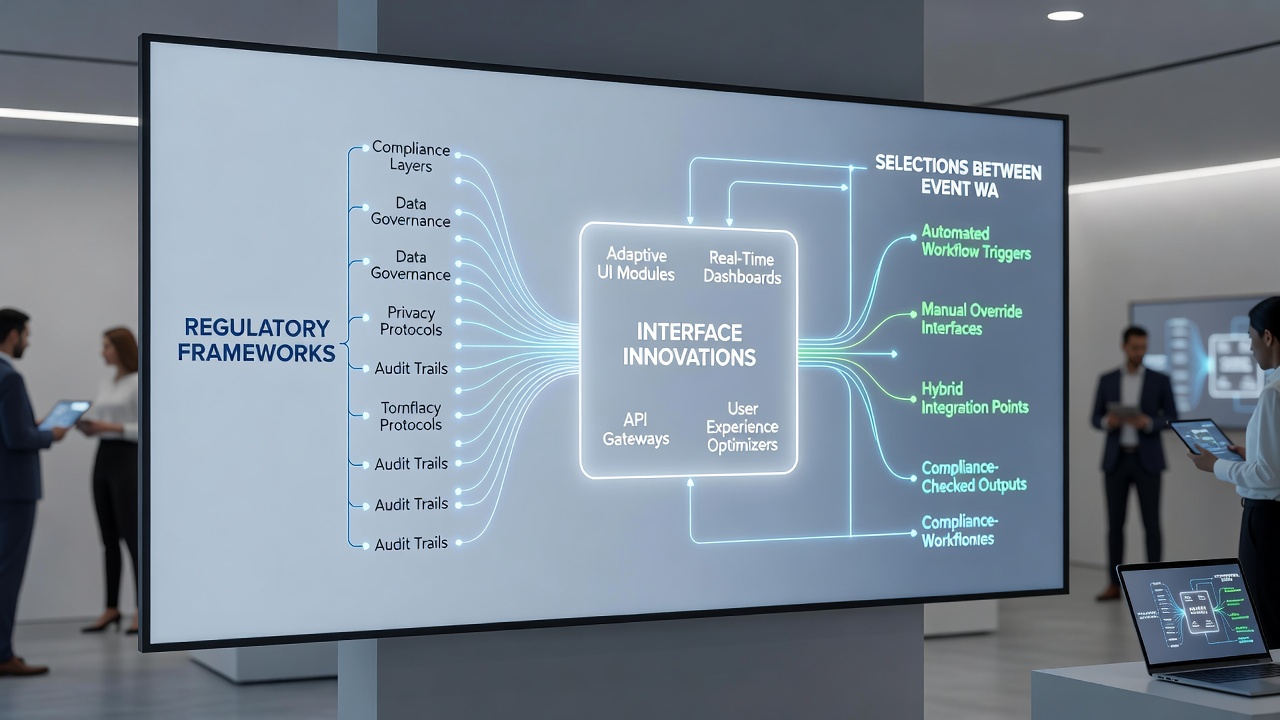
Gesture controls and predictive algorithms further reduce the steps needed to move between categories. A user viewing a live sports event can execute a two-finger swipe to open a table game lobby, provided the regulatory framework in that jurisdiction permits the transition. Data indicates that applications incorporating machine learning to anticipate user preferences based on prior session history deliver more relevant shortcuts, yet these features must still respect time-out rules and verification checkpoints that differ between sports and table game verticals.
Regional Variations in July 2026
By July 2026 regulatory adjustments in several Canadian provinces and Australian states had introduced new interface standards for mobile gaming applications. These standards require explicit category separation within the first screen view, meaning users see distinct sports and table sections rather than blended feeds. Industry reports from the Canadian Gaming Association show that operators who adapted their designs to these standards experienced measurable shifts in how players allocated time between event wagers and interactive table sessions.
Payment method restrictions tied to regulatory status also influence selection patterns. Some jurisdictions permit instant deposits only for sports markets while imposing additional verification layers on table game accounts, prompting interface designers to surface different funding flows depending on the chosen category. Users encounter these differences through distinct buttons and confirmation flows that appear once they select a vertical.
Conclusion
The interplay between regulatory frameworks and interface innovations continues to determine how mobile users access and move between event wagers and interactive table sessions. Licensing distinctions, geo-compliance tools, navigation design choices, and regional policy updates all converge to shape the pathways available on portable platforms. As authorities refine their requirements and developers refine their interfaces, the mechanisms guiding user selections evolve in tandem, creating an environment where compliance and usability remain tightly linked.