Smartphone Interfaces Fuel Preferences for Hybrid Event and Table Game Wagering
Written by Klara Hoffmann · May 29, 2026
Smartphone Interfaces Fuel Preferences for Hybrid Event and Table Game Wagering
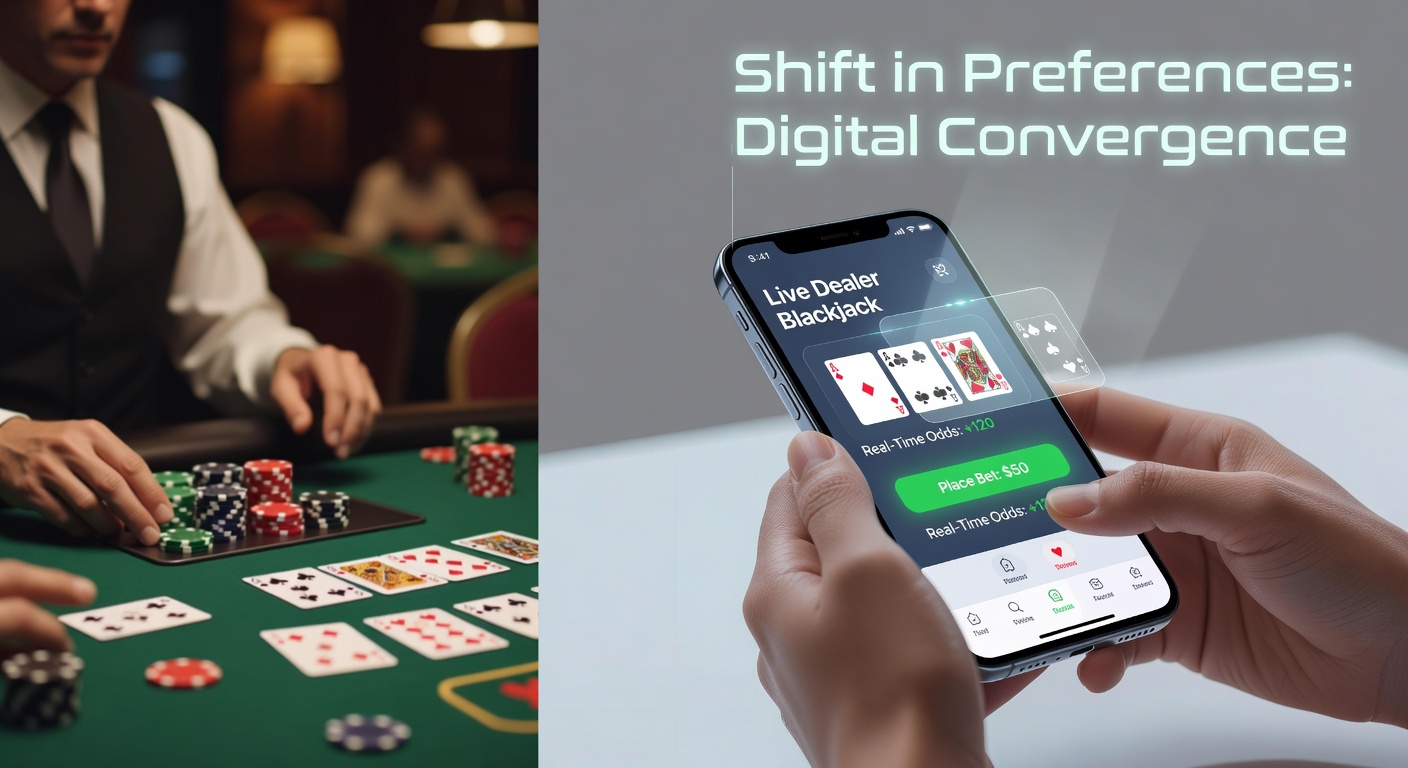
Users have increasingly turned to smartphone applications that merge live event wagering with real-time table game sessions, creating seamless transitions between placing bets on sports outcomes and participating in interactive dealer-led games such as blackjack or roulette, and this pattern has accelerated as mobile hardware supports faster data connections along with advanced touch interfaces that handle multiple simultaneous actions without lag.
Market Data Shows Clear Behavioral Changes
Industry reports from May 2026 indicate that participation rates in hybrid mobile platforms rose by 28 percent compared with the same period in the prior year, while separate tracking from regulatory filings in several jurisdictions reveals that session durations for combined wagering activities extended by an average of 14 minutes per user, suggesting sustained engagement rather than quick switches between isolated features. Observers note that these figures emerge from aggregated transaction logs across multiple operators, where patterns show users initiating sports bets during live events and then moving directly into table interactions during breaks in play.
Technological Features Enabling Integration
Developers have implemented unified account systems that allow instant fund transfers between sports betting wallets and casino table modules within the same application, and this setup eliminates the need for separate logins or manual balance checks because APIs connect real-time odds feeds with dealer video streams on a single dashboard. Research from academic centers studying digital interfaces found that gesture-based controls, including swipe actions for bet adjustments and one-tap confirmations, reduce the steps required to alternate between event wagering and table participation by up to 40 percent, which aligns with broader device capabilities introduced in recent operating system updates.
Regional Patterns in Adoption
Data compiled by European gaming associations highlight stronger uptake in markets with established mobile infrastructure, where users combine football match bets with live poker tables during overlapping evening hours, whereas North American statistics from state-level oversight bodies point to growing interest in basketball and table game pairings among younger demographics tracked through licensed app downloads. Australian regulatory summaries further document that combined session volumes increased notably after network improvements allowed uninterrupted video feeds alongside betting interfaces, creating environments where participants manage multiple activities without disconnecting.
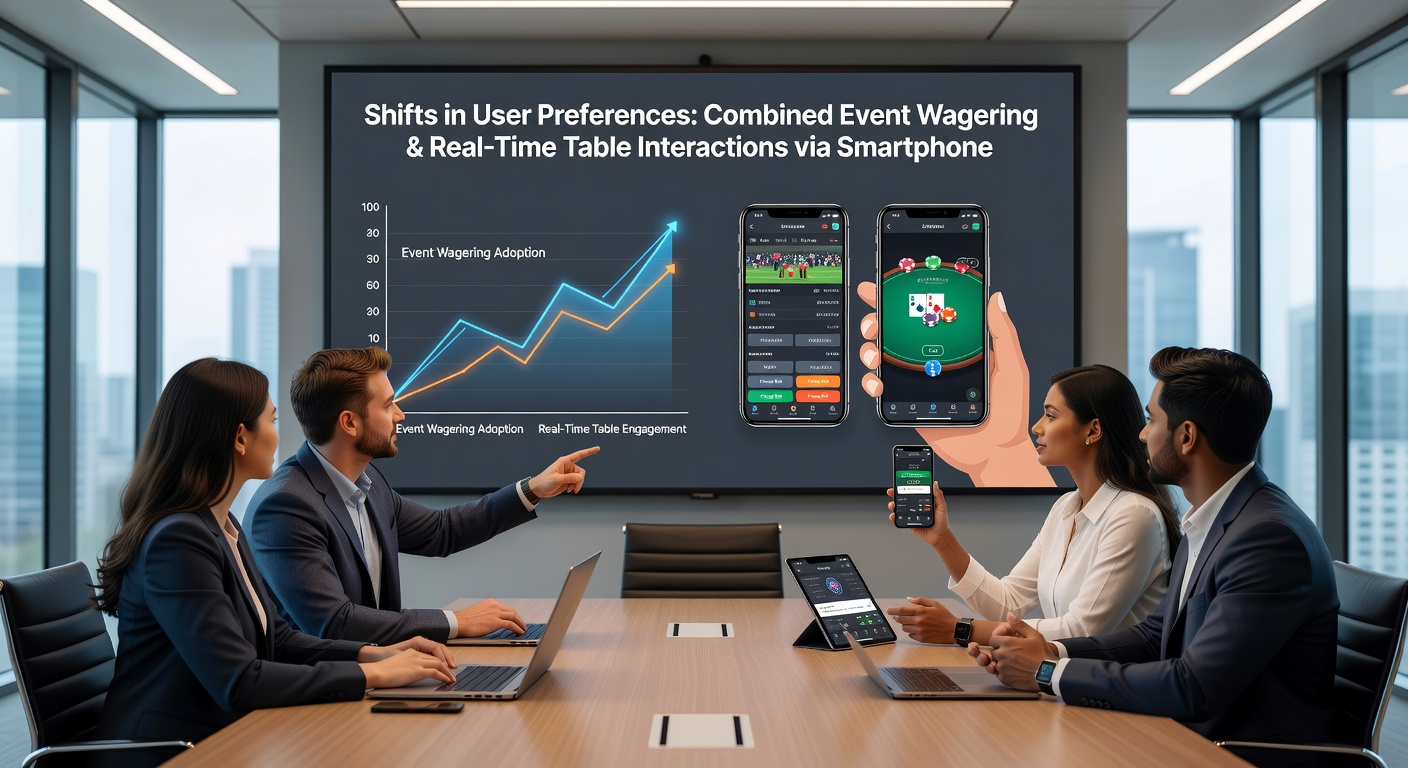
One study conducted by a Canadian research institute examined anonymized usage logs and discovered that 62 percent of surveyed sessions involved at least one switch between sports and table modules within a single hour, driven by notification systems that alert participants to both upcoming event odds and available dealer tables at the same moment. Those who've examined platform analytics observe that push notifications timed to live event milestones often prompt immediate table game entries, sustaining activity across the combined offerings.
Platform Responses to Shifting Demands
Operators have adjusted interface layouts to feature persistent side panels that display both sports event trackers and table game status simultaneously, allowing users to monitor basketball scores while maintaining active hands at virtual roulette wheels, and this design choice stems from heat-map analyses of tap locations that showed frequent movement between the two sections. According to findings released by the European Gaming and Betting Association, platforms incorporating these dual-view elements recorded higher retention metrics in regions where smartphone penetration exceeds 85 percent of the adult population.
Payment processing integrations have also adapted, with systems now supporting micro-transfers between betting categories without additional verification steps because compliance frameworks in multiple jurisdictions permit such flows under unified licensing structures. Figures reveal that average transaction counts per hybrid session climbed steadily through early 2026, reflecting the ease of moving funds while remaining within the same application environment.
Conclusion
Evidence gathered from regulatory reports, academic analyses, and industry tracking demonstrates measurable movement toward smartphone-based experiences that unite event wagering with real-time table interactions, and continued hardware refinements along with interface optimizations appear positioned to sustain this trajectory across diverse geographic markets. Data from sources such as the American Gaming Association and the European Gaming and Betting Association provide consistent indicators of these evolving patterns without projecting specific future volumes.