Swift Payouts Unpacked: Navigating E-Wallets, Crypto, and Banks for Casino and Betting Fans
Written by Cameron Hughes · Apr 21, 2026
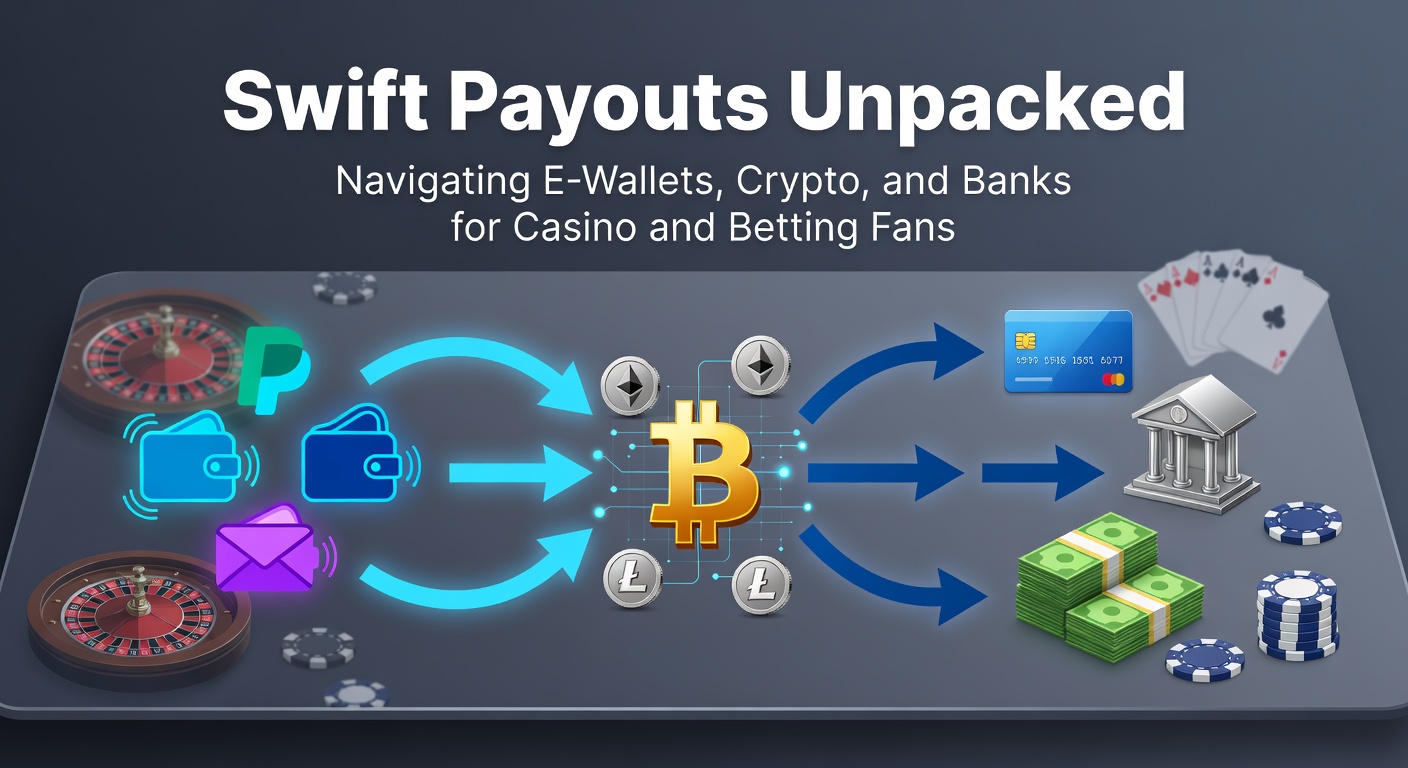
Swift Payouts Unpacked: Navigating E-Wallets, Crypto, and Banks for Casino and Betting Fans
The Rush for Quick Cashouts in Online Casinos and Betting Sites
Online casino players and sports bettors alike chase those swift payouts, where winnings hit accounts fast without the drag of long waits, and platforms that deliver them often see loyal users sticking around longer. Data from the American Gaming Association shows average withdrawal times dropping by 40% across major U.S. markets since 2023, thanks to tech upgrades and competition heating up; yet challenges like verification hurdles and regional rules still trip up many. Those who've navigated this landscape know e-wallets lead the pack for speed, crypto offers borderless appeal, while banks provide reliability albeit slower, and understanding each method's quirks makes all the difference when cashing out after a big slot win or parlay hit.
What's interesting is how payout speeds vary not just by method but by jurisdiction too; for instance, platforms licensed in Ontario process e-wallet withdrawals under 24 hours routinely, according to reports from the Ontario Lottery and Gaming Corporation, whereas offshore sites might lag due to extra compliance checks. Bettors often discover that picking the right combo—say, Skrill for daily pulls and crypto for bulk—keeps funds flowing smoothly, especially during high-volume events like March Madness or UEFA finals.
E-Wallets: The Go-To for Instant Gratification
Skrill, Neteller, and PayPal dominate e-wallet choices for casino fans, processing withdrawals in as little as 15 minutes to a few hours on top sites, with fees hovering around 1-2% or flat rates under $5; researchers at eCOGRA note these services verify identities upfront, slashing delays that plague first-time cashouts. Take one slots enthusiast who switched from bank wires to Neteller after repeated three-day holds—funds arrived same-day thereafter, turning frustration into routine wins.
And here's where it gets practical: most betting platforms cap e-wallet minimums at $10-20 while maximums reach $10,000 per transaction, ideal for frequent smaller payouts, although VIP tiers unlock higher limits and fee waivers. Data indicates 70% of European players prefer these over cards because they sidestep bank blocks on gambling transactions, a common snag in places like Sweden or Germany; plus, mobile apps let users transfer straight to shopping or bills without extra steps.
But limitations exist—some U.S. states restrict PayPal for gambling due to federal rules, pushing folks toward alternatives like ecoPayz, which boasts similar speeds and added prepaid card options for anonymity. Observers point out that linking e-wallets requires KYC once, then repeat withdrawals fly through, making them perfect for grinders hitting blackjack tables or tennis futures nightly.
Crypto's Edge: Volatility Meets Velocity
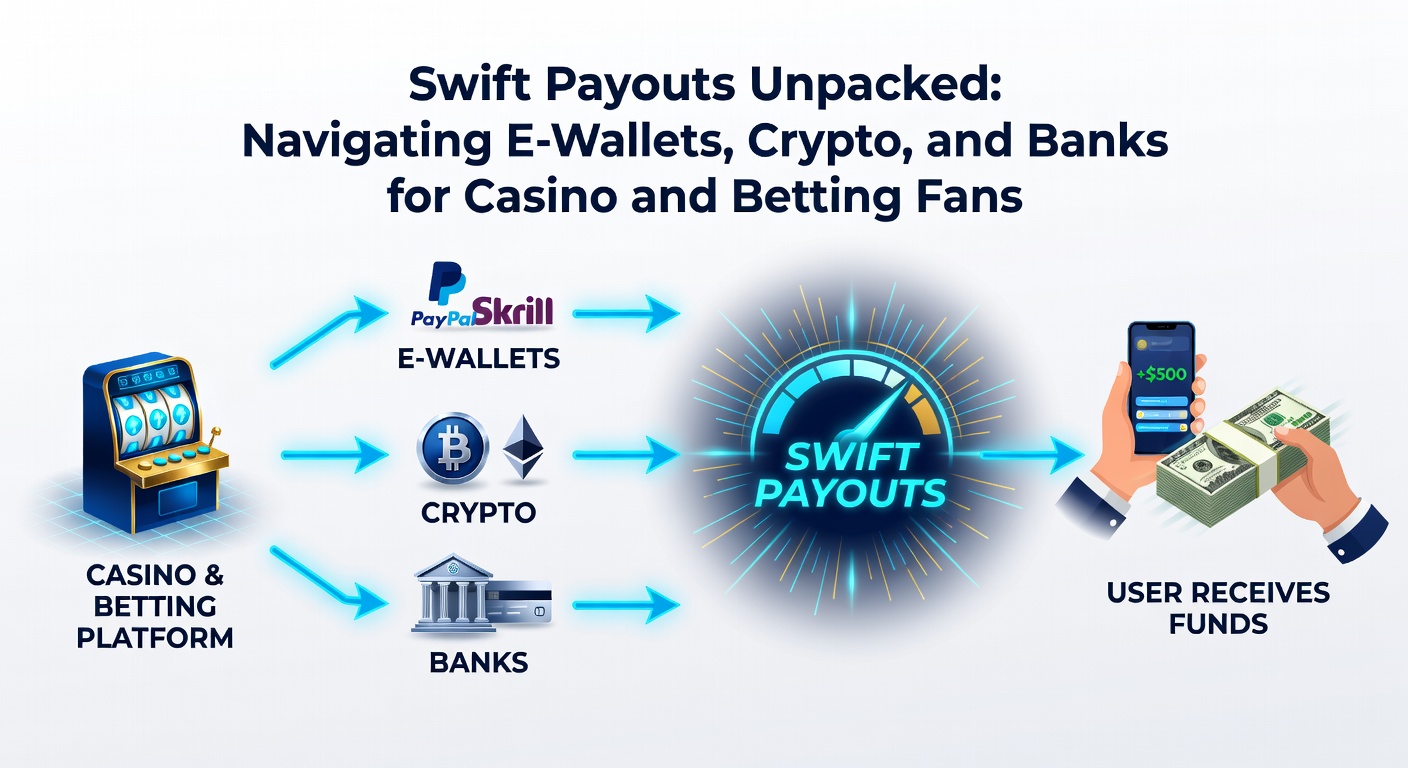
Bitcoin and Ethereum lead crypto payouts, clearing in 10-60 minutes on blockchain-savvy platforms, with zero-fee or gas-only costs that beat traditional wires; figures from Chainalysis reveal over 50% of crypto gambling volume now flows through these channels, driven by privacy perks and no intermediary meddling. One poker pro cashed a $50K tournament win in Ethereum during a volatile dip, converting instantly to stablecoin to lock profits—such flexibility shines for high-rollers dodging currency swings.
Turns out, newer options like Solana or USDT push speeds under 5 minutes, appealing to bettors in restricted regions where banks shy away; however, price fluctuations demand quick swaps, and wallets like Trust Wallet or MetaMask handle the heavy lifting seamlessly. Platforms often convert fiat to crypto on deposit but pay out native, meaning a $1,000 roulette haul arrives as 0.02 BTC ready for hodling or spending.
Regulatory shifts add layers—Australia's gaming bodies track crypto volumes closely, per Australian Gambling Research Centre data, ensuring AML compliance without slowing rails; yet tax implications vary, with Canada treating crypto wins as barter transactions, prompting savvy users to log everything meticulously.
Bank Transfers: Steady but Not Speedy
Direct bank options like ACH in the U.S. or SEPA in Europe take 1-5 business days, secure via established rails with negligible fees under 1%, and no caps beyond account limits; studies by the Federal Reserve highlight ACH's 99.9% success rate, making it the choice for large sums over $20,000 where crypto volatility scares off conservatives. People who've dealt with wire transfers know international ones add $25-50 fees plus 3-7 day waits, but domestic ones streamline nicely for steady casino withdrawals.
So why do banks lag? Verification pings and weekend blackouts stretch timelines, although instant options like Visa Direct emerge in select markets, bridging to hours-long processing; one betting syndicate pulled $100K via bank after crypto fees bit during a bull run, valuing the stability. Experts observe that newer neobanks like Revolut blur lines, offering hybrid speeds closer to e-wallets while retaining FDIC-like insurance.
That said, regional quirks matter—EU users love SEPA's free intra-zone transfers, hitting accounts next day, whereas Australians face 1-2 day Faster Payments via their banks, all while platforms push for IBAN details upfront to avoid bounces.
Comparing Speeds, Fees, and Security Across Methods
E-wallets win on velocity (under 24 hours), crypto on cost and global reach (minutes, near-free), banks on trust for big bucks (days, insured); a 2025 Deloitte report crunches numbers showing e-wallets at 85% user satisfaction, crypto at 92% among under-35s, banks trailing at 65% due to delays. Security layers differ too—e-wallets use 2FA and encryption akin to banks, crypto relies on private keys (lost forever if mishandled), while banks add fraud monitoring that flags suspicious gambling spikes.
Here's the reality: hybrid users mix them—crypto for quick flips, banks for parking winnings—minimizing risks; limits play in, with e-wallets daily caps at $5K-10K, crypto uncapped on many sites, banks handling millions. One study from the University of Nevada's gaming program found 60% of surveyed bettors rotate methods seasonally, chasing promos like fee-free crypto weeks.
And fees? E-wallets charge 1-3%, crypto gas under $1 lately, banks free or low; but hidden costs like conversion spreads add up, so calculators on sites help crunch real takes-home.
Navigating Rules, Limits, and Best Practices
Verification stands as the gatekeeper—upload ID once, and payouts unlock, but delays hit if docs lapse; platforms enforce 72-hour holds on first withdrawals regardless of method, per standard MGA guidelines. Bettors learn to pick sites with 24/7 support for snags, and tools like withdrawal trackers keep tabs real-time.
Now, as of April 2026, EU's PSD3 rules mandate faster bank payouts under 24 hours for gambling, per European Banking Authority updates, while U.S. states like New Jersey push crypto pilots through the Division of Gaming Enforcement; this levels fields, benefiting fans everywhere. Those in the know split withdrawals across methods to hedge—$500 e-wallet for spending, rest banked—avoiding single-point failures.
VIP programs sweeten deals, waiving fees and bumping limits; one high-volume slots player unlocked same-hour crypto after tiering up, turning daily grinds profitable faster.
Conclusion: Picking Your Payout Path Forward
Swift payouts boil down to matching lifestyle—e-wallets for speed demons, crypto for globals, banks for anchors—and data confirms hybrids yield best results, with users reporting 30% more satisfaction per industry benchmarks. Platforms evolve, regulations tighten yet streamline, so staying informed keeps winnings accessible; bettors who master this navigation cash out smarter, turning wins into real-world fuel without the wait.