Tiered Memberships Driving Changes in Digital Wagering Session Patterns
Written by Sam Albrecht · Jun 26, 2026
Tiered Memberships Driving Changes in Digital Wagering Session Patterns
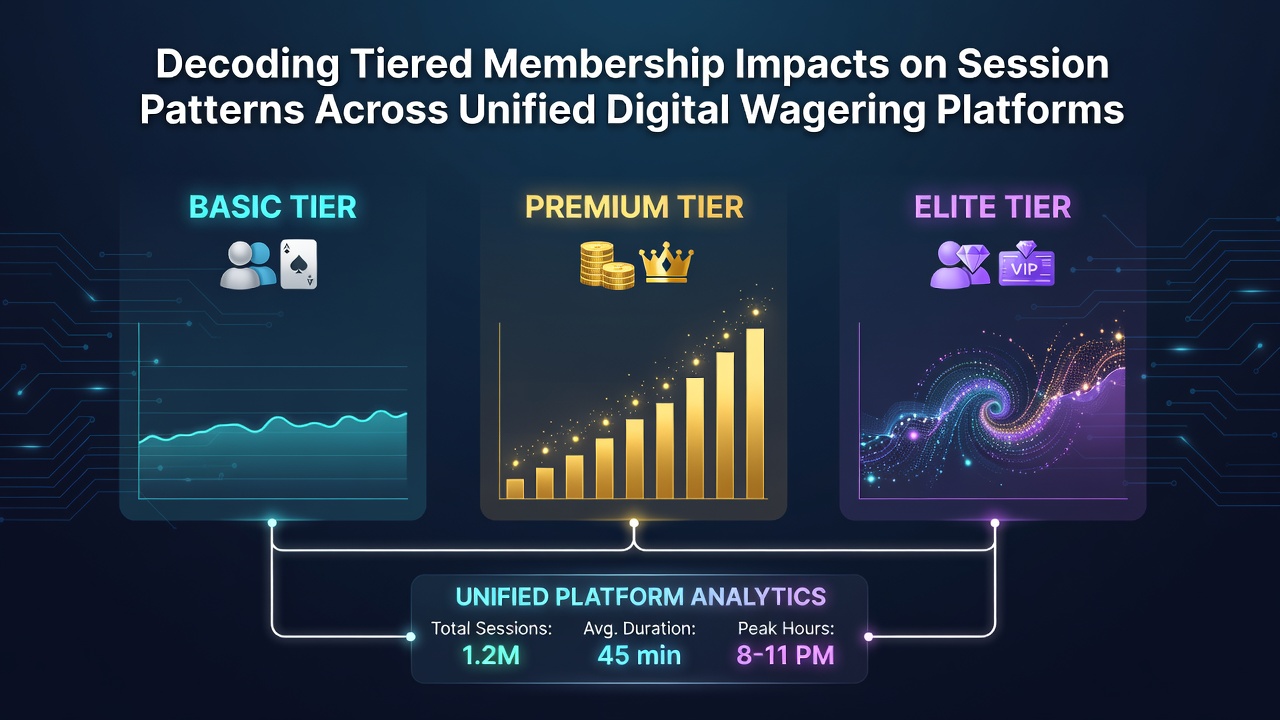
Unified digital wagering platforms combine sports betting, casino games, poker rooms and live dealer options into single applications, where tiered membership programs now play a central role in shaping how users allocate their time across these features. These structures typically progress from entry-level access through intermediate and premium tiers, each unlocking incremental benefits such as accelerated reward points, reduced withdrawal fees, dedicated support channels and exclusive promotional offers. Observers note that users who advance through these tiers demonstrate measurable shifts in session duration, frequency and game selection, patterns that have become more pronounced as platforms consolidate multiple verticals under one account.
Mechanics of Tier Progression and User Engagement
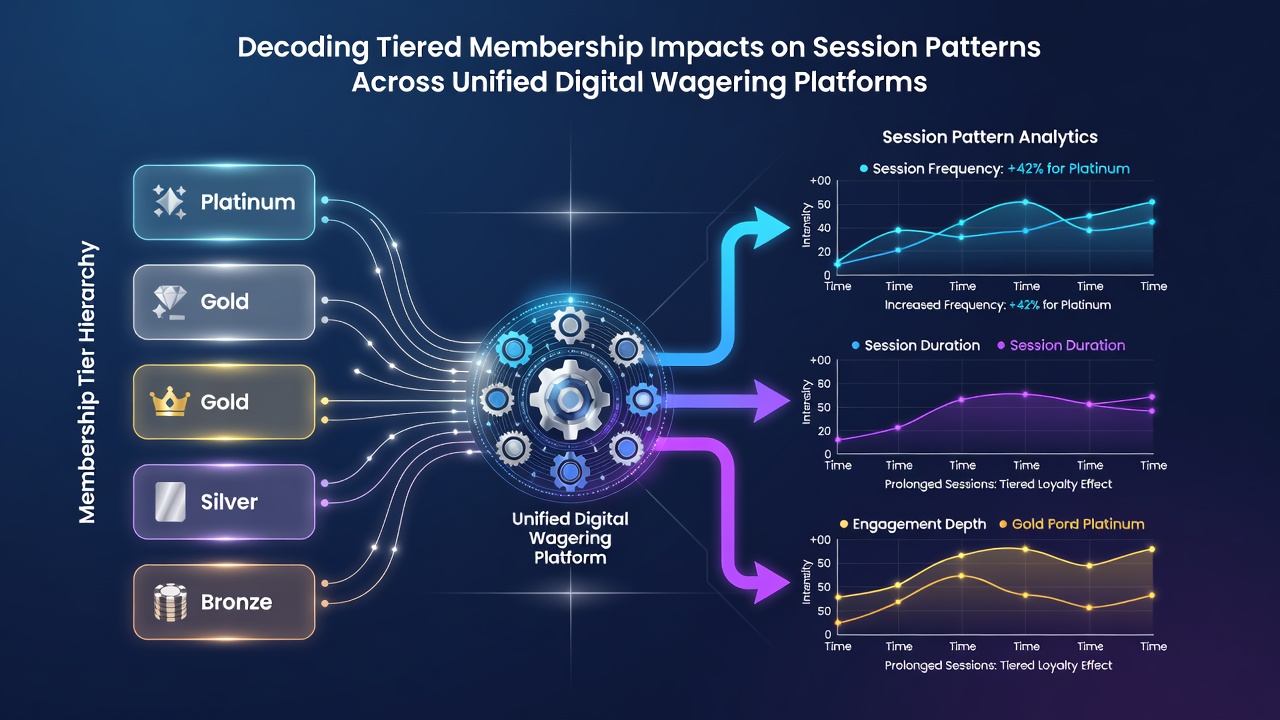
Entry-level tiers grant basic functionality with standard point accumulation rates, while mid-tier status often introduces multipliers on wagers placed in specific categories like slots or accumulator bets. Higher tiers add personalized account managers and priority access to new game releases or sporting events with enhanced odds. Data compiled across major operators indicates that movement between tiers correlates with an average increase in weekly logins, as members seek to maintain status thresholds through consistent activity. This dynamic encourages diversification, with many users expanding from their initial focus on one product, such as sports markets, into table games or poker tournaments once premium benefits become available.
Observed Shifts in Session Length and Composition
Analysis of aggregated platform metrics reveals that tiered members extend individual sessions by incorporating additional game types once they unlock cross-vertical bonuses. A user starting in sports betting, for instance, may transition mid-session to live dealer roulette after receiving a tier-based cashback offer applicable across categories. Such behavior produces longer continuous play periods, often exceeding those recorded among non-tiered accounts by substantial margins. Researchers tracking these trends have documented corresponding changes in peak activity hours, with premium members showing stronger engagement during evening windows when exclusive events or boosted promotions activate.
Payment method preferences also intersect with tier status, since higher levels frequently reduce transaction costs for deposits and withdrawals. This reduction removes friction that previously interrupted sessions, allowing seamless movement between funding methods and continued play without exiting the application. Industry reports compiled through June 2026 highlight that platforms integrating tier benefits with flexible banking options record elevated retention rates among mid- and upper-tier users compared with those relying solely on standard reward schemes.
Regional Data Patterns and Platform Comparisons
North American operators have reported that tier advancement coincides with higher volumes of in-play sports wagers paired with occasional casino side bets, whereas European platforms note stronger migration toward live poker tables among established members. Australian regulatory filings similarly track increased multi-vertical activity once users reach loyalty thresholds that award bonus credits usable across sports and gaming sections. These geographic differences reflect local product preferences yet share a common thread: tier structures appear to amplify session complexity rather than simply extending time spent on a single vertical.
One study released by the Responsible Gambling Council examined user cohorts across integrated apps and found tiered participants initiated more distinct betting events per session once they qualified for expedited reward redemptions. The same analysis observed that lower-tier users maintained narrower focus, rarely venturing beyond their original category of interest. Such findings align with operational data shared by several large operators indicating that unified platforms leveraging tier incentives experience broader distribution of activity across their full product suite.
Payment Integration and Behavioral Adjustments
Funding choices interact directly with tier benefits when platforms reduce fees or accelerate processing for premium members. Users at higher levels demonstrate greater willingness to test new deposit methods, including emerging digital wallets, because associated costs remain minimal. This experimentation often occurs within the same session, enabling quick top-ups that sustain extended play across sports and casino offerings. Observers tracking these adjustments note that seamless payment flows reduce the likelihood of session termination, particularly when tier perks offset any perceived risk in trying unfamiliar options.
Academic researchers at institutions monitoring digital gambling trends have begun incorporating tier status into predictive models for session forecasting. Their preliminary outputs suggest that members who recently achieved a new tier exhibit temporary spikes in activity across multiple verticals before settling into more stable patterns. These spikes frequently involve experimentation with hybrid features, such as placing a sports wager while simultaneously participating in a live dealer game during the same login period.
Conclusion
Tiered membership programs continue to influence session architecture on unified digital wagering platforms by rewarding diversification and sustained engagement. Metrics gathered through mid-2026 demonstrate consistent correlations between tier advancement and expanded game selection, longer continuous sessions and modified payment behaviors. As operators refine these structures, the resulting patterns offer clearer insight into how integrated environments shape user interaction across sports, casino and poker verticals simultaneously.