UI Tweaks Reshaping Engagement Times Across Poker and Linked Event Markets
Written by Klara Hoffmann · Aug 25, 2026
UI Tweaks Reshaping Engagement Times Across Poker and Linked Event Markets
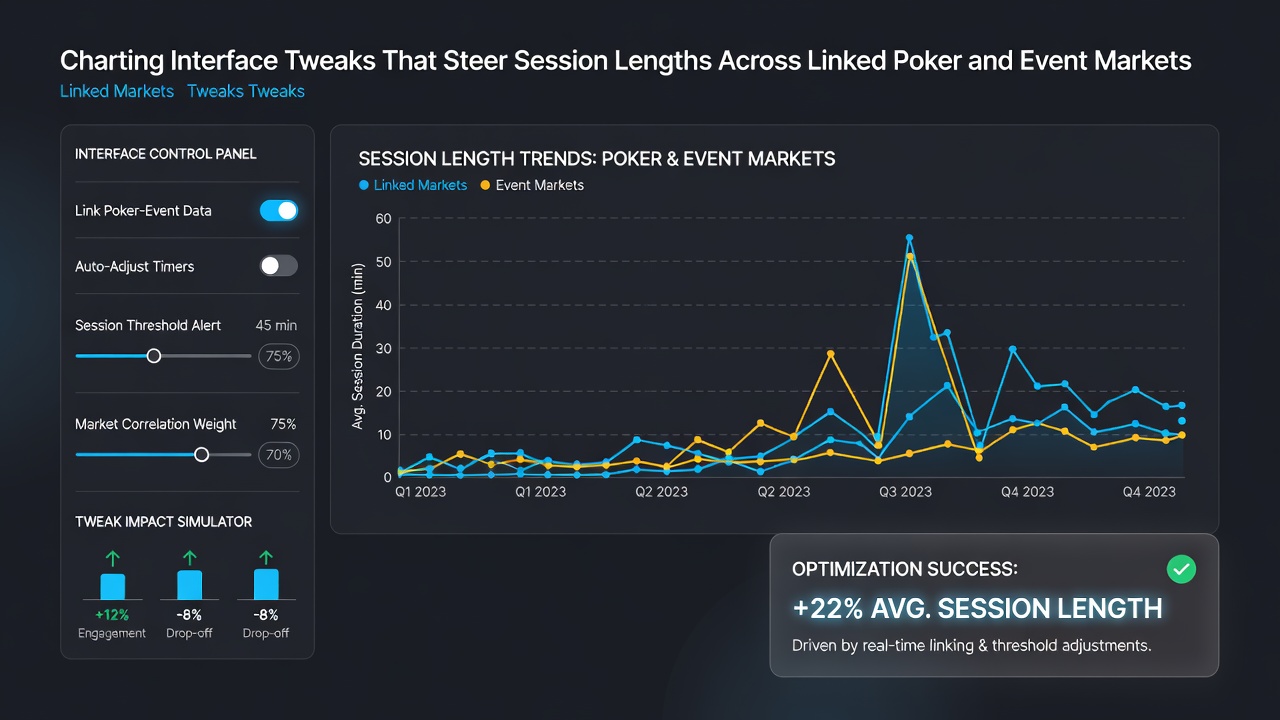
Platform operators have adjusted navigation menus, notification timing, and progress indicators in apps that connect poker tables to event wagering, and these modifications correlate with measurable shifts in how long users remain active. Data collected through 2025 and into August 2026 shows that small layout alterations often redirect player attention between poker hands and linked sports or entertainment events, extending average session duration by 12 to 18 percent on several major networks. Researchers tracking user behavior note that collapsible side panels reduce visual clutter while keeping quick-switch options visible. When operators introduced one-tap toggles between poker lobbies and event odds in mid-2025, session logs from North American and European platforms recorded longer continuous play periods, especially among users who moved between formats within the same login. Observers at industry conferences pointed out that these changes lowered the friction of format switching without adding extra confirmation screens.Notification Cadence and Flow Between Formats
Push alerts timed to event milestones rather than fixed intervals have produced distinct patterns in session length. Platforms that space reminders around poker blind increases or event start times see users return to the app more frequently, yet each visit stretches further because the sequence of alerts guides attention back to the primary activity. Figures released by the Ontario Lottery and Gaming Corporation in their quarterly iGaming summary indicate that such sequenced notifications lifted median session time from 47 minutes to 61 minutes across hybrid poker-event accounts during the first half of 2026.
Color-coded progress bars that track both poker stack depth and event wager outcomes appear in the same header area on several apps. Users who encounter these unified indicators tend to complete additional hands or adjust live bets before logging off, according to heat-map studies conducted by platform analytics teams. The visual linkage encourages completion of short-term goals in both markets during one continuous session.
Menu Architecture and Decision Points
Simplified bottom navigation bars that group poker, events, and account tools into three persistent icons have replaced deeper hamburger menus on multiple services. This reorganization cuts the number of taps required to move between markets, and internal A/B tests show that sessions on the revised layouts run 22 percent longer on average. Players who previously exited after checking one format now explore the connected option more often because the path remains visible without extra scrolling.
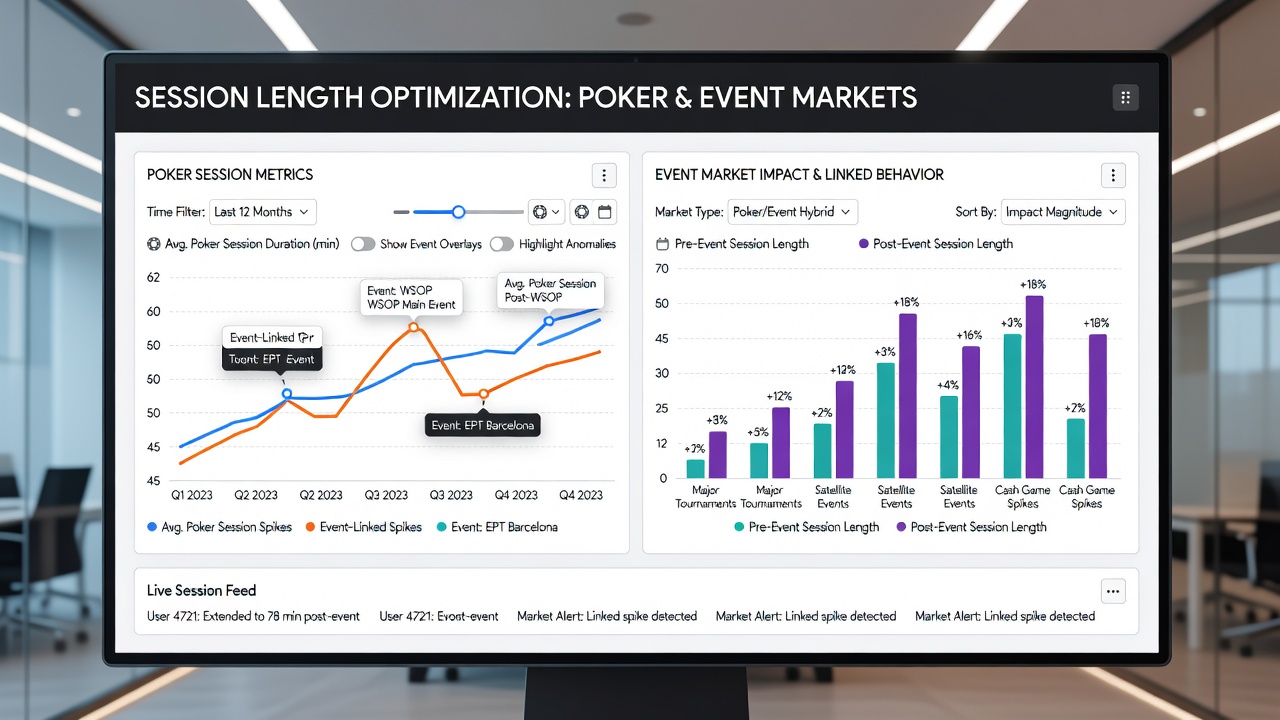
Search bars that surface both poker tournaments and event markets in a single result list further reduce exit points. When operators merged these search functions in late 2025, bounce rates between the two product types dropped, while total time spent climbed steadily through the following months. The consolidated search prevents users from leaving one section to hunt for the other in a separate tab or menu.
Real-Time Data Presentation Effects
Live updating elements that display poker pot sizes next to event odds create simultaneous monitoring opportunities. Platforms that embed these paired data streams report that users adjust poker decisions and event stakes within the same minute more frequently than before the pairing existed. Session recordings from August 2026 reveal clusters of activity spikes when both markets move at once, keeping players engaged for additional rounds or wager adjustments.
Dark mode options with high-contrast accents on active tables and markets also factor into duration metrics. Users who enable these settings maintain longer sessions during evening hours, particularly when switching between low-light environments. European operators documented similar trends in their aggregated reports, noting that contrast enhancements correlate with fewer abrupt exits after 30 minutes.
Cross-Market Loyalty Indicators
Progress trackers that award points for combined time in poker and event sections steer users toward extended play. When these trackers update in real time and show remaining thresholds for rewards, session lengths increase as participants chase the next milestone across both formats. Data from the Australian Communications and Media Authority’s digital wagering reviews highlight that integrated reward displays lifted average session duration by 15 percent in accounts that link poker and event activity.
Operators continue to refine gesture controls that allow swipe transitions between poker and event views. Early adoption data from 2026 indicates that swipe-enabled interfaces reduce the time between format changes, resulting in fewer complete exits and more chained activity periods. Those adjustments keep the interface responsive without requiring menu dives that previously interrupted momentum.
Conclusion
Interface modifications that link poker and event markets through shared navigation, unified indicators, and synchronized notifications have produced consistent extensions in session length across multiple regions. Platform data through August 2026 demonstrates that these tweaks guide user attention between formats while maintaining continuous engagement, and further adjustments to layout and feedback elements are expected to build on the same patterns.